Reference
Line guides
Every one of the 52 lines in the game, 1078 stations in total, across 5 operators. Each guide carries the full station list in kanji, kana and romaji, an interchange map, and notes on where the typing gets awkward.
Station and line names are public facts, transcribed from the operators' own signage and station numbering. Everything else here — the illustrations, the maps, the audio, the commentary — is original.
Tokyo Metro
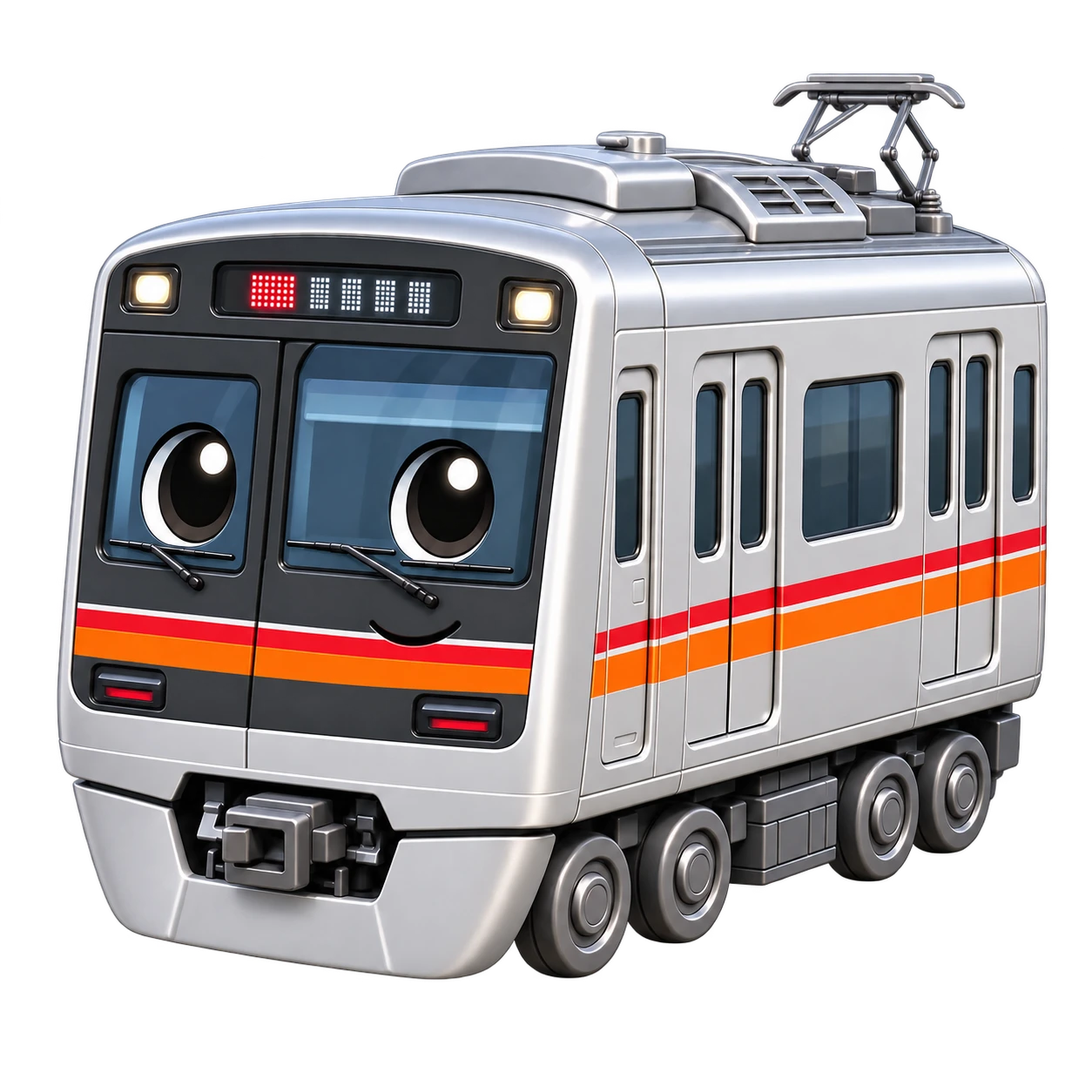
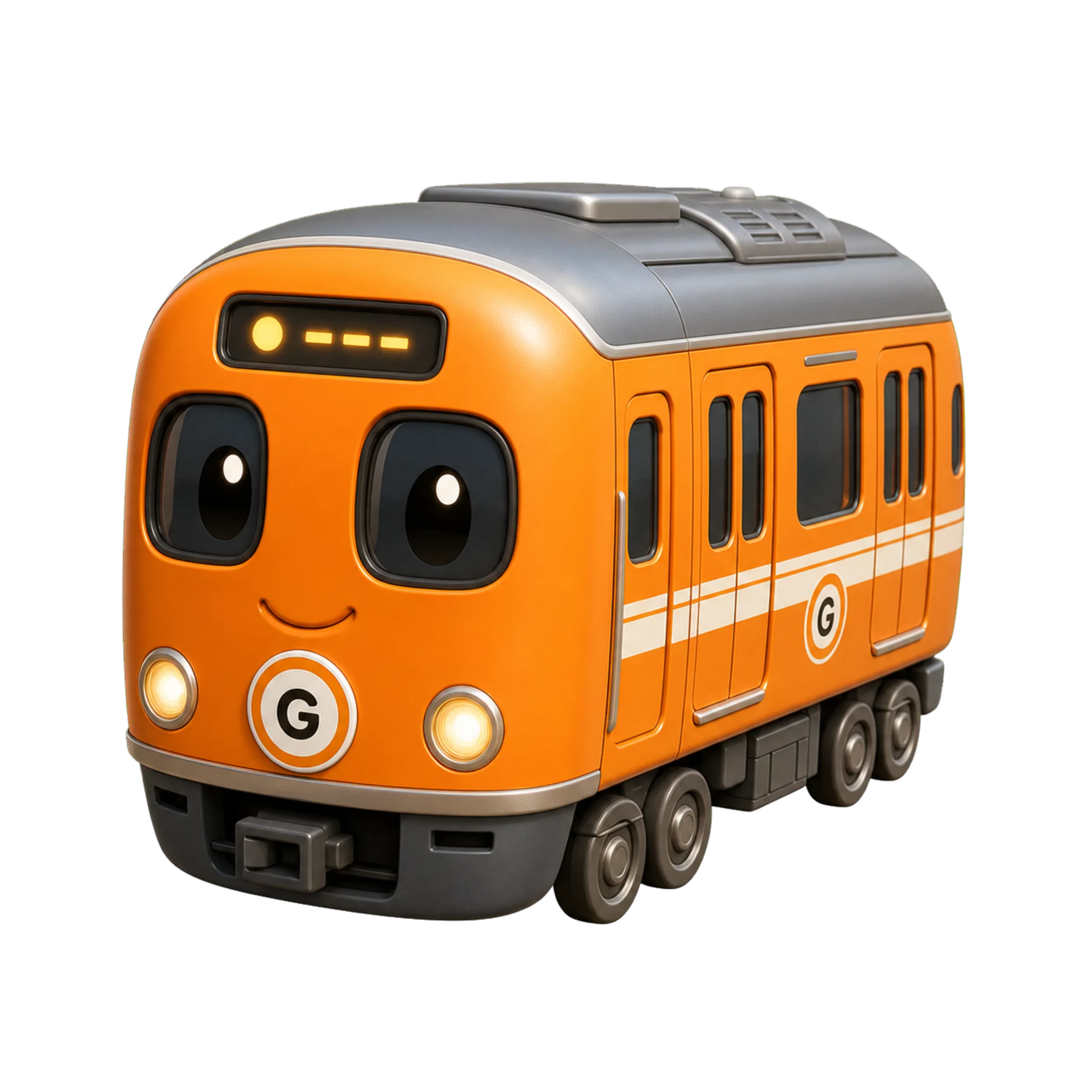
9 lines- G銀座線Ginza LineOpened in 1927, Asia's oldest subway line — its orange livery still shines like the Ginza shopfronts above.
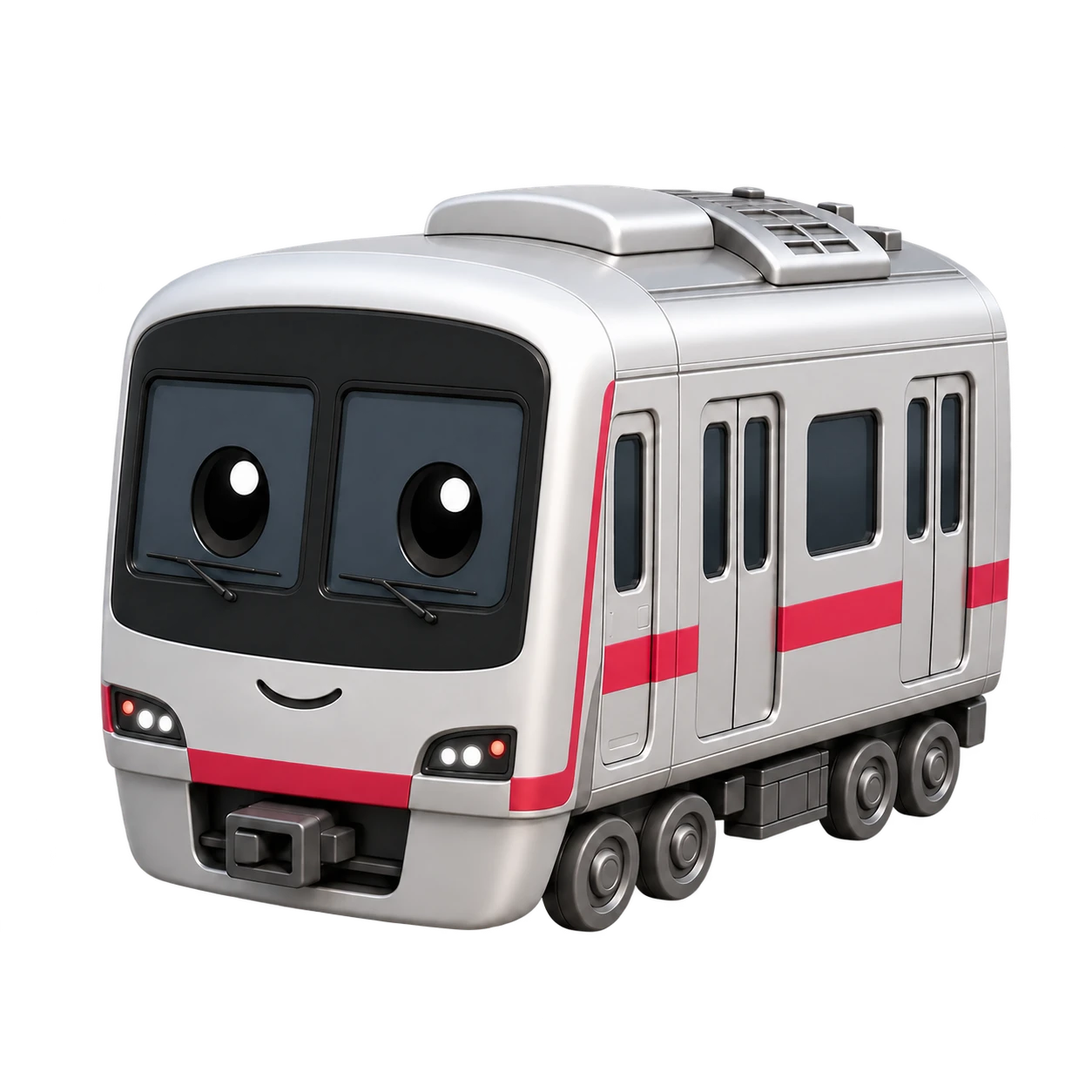
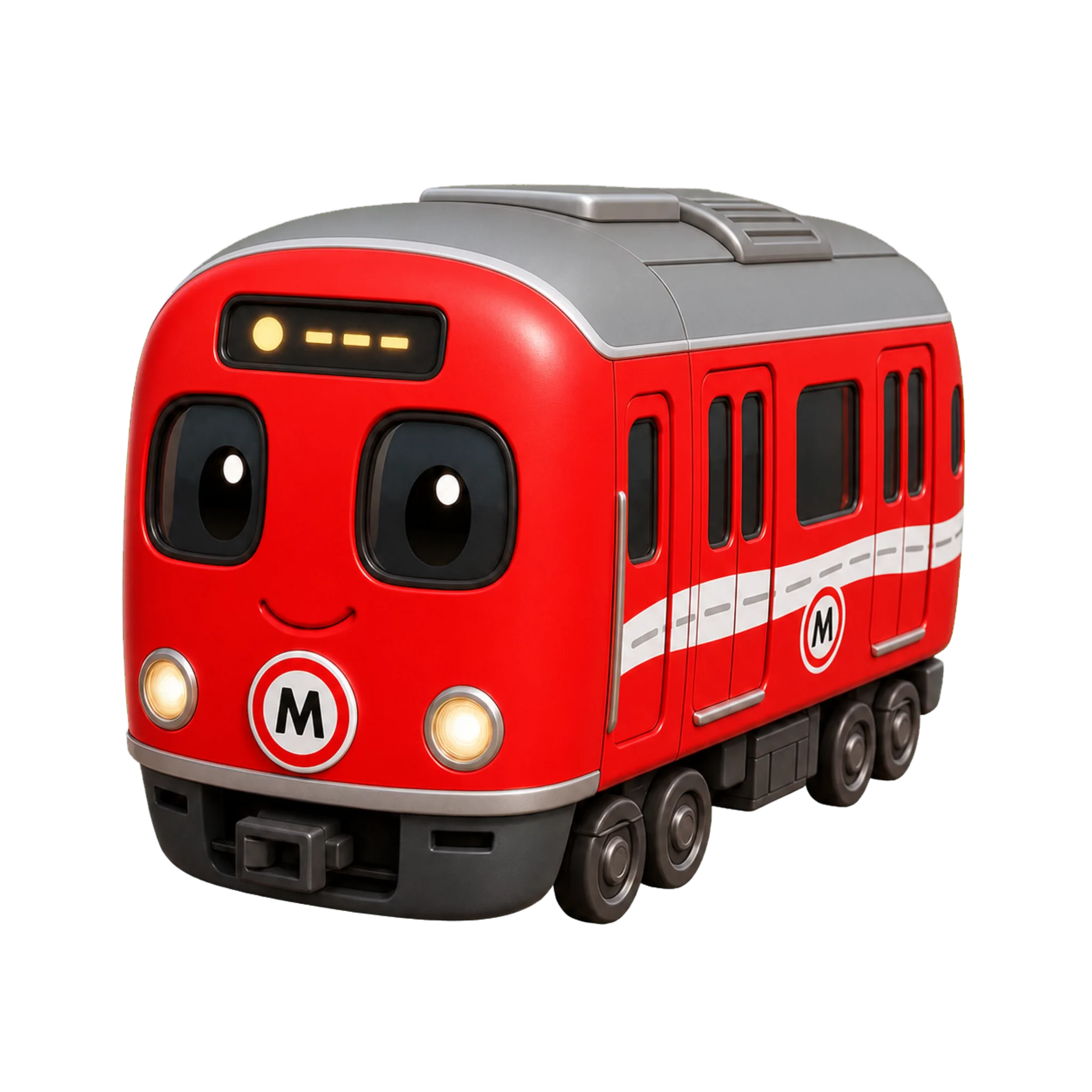
- M丸ノ内線Marunouchi LineThe red line linking Shinjuku, Tokyo Station and Ikebukuro, briefly surfacing near Ochanomizu to cross the Kanda river valley.
- H日比谷線Hibiya LineA quietly essential silver-grey line from Kita-Senju to Naka-Meguro, threading the commuter routes just inside and outside the Yamanote loop.
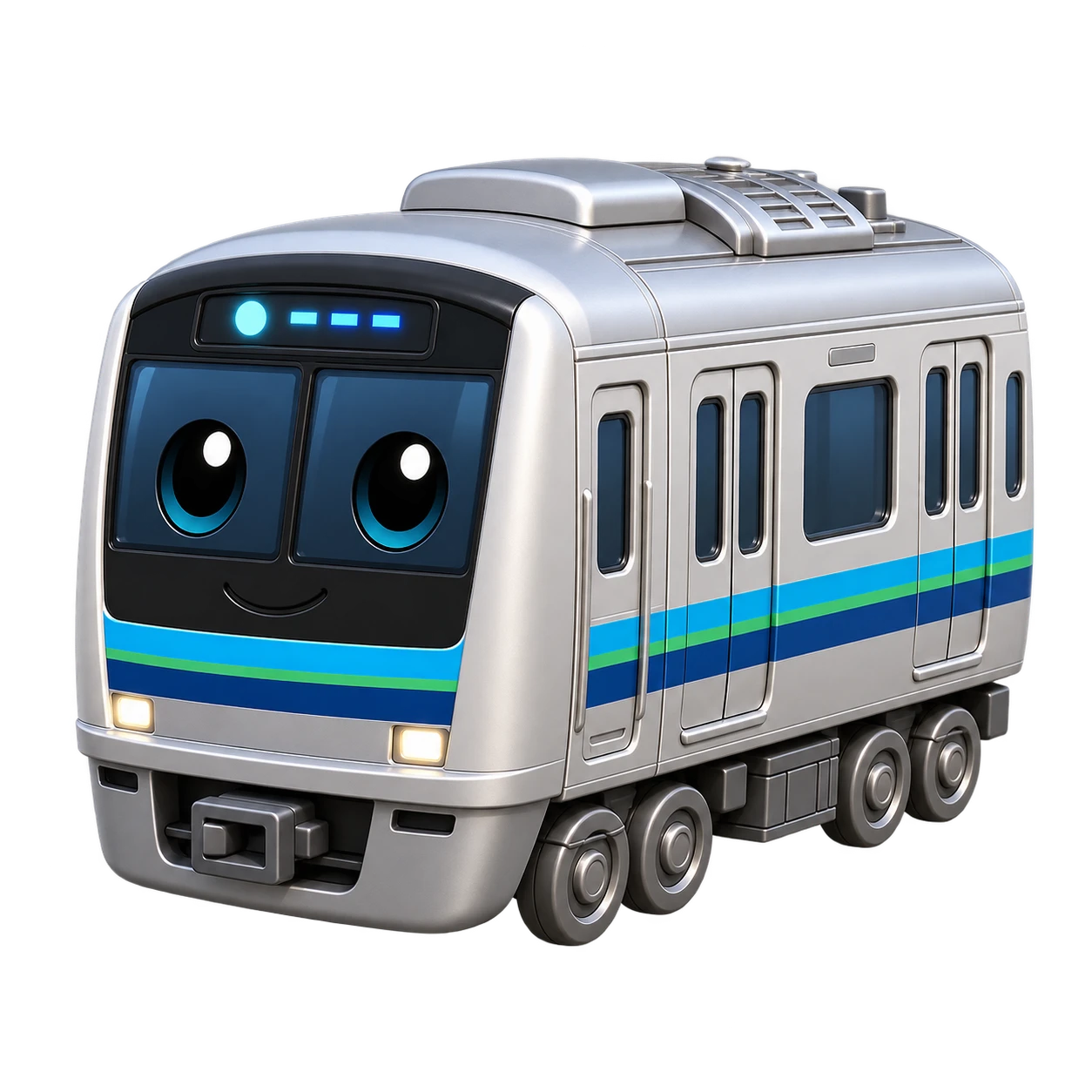
- T東西線Tozai LineSky-blue and famously packed — one of the busiest lines in the Tokyo Metro network, running straight across the city from Nakano to Nishi-Funabashi.
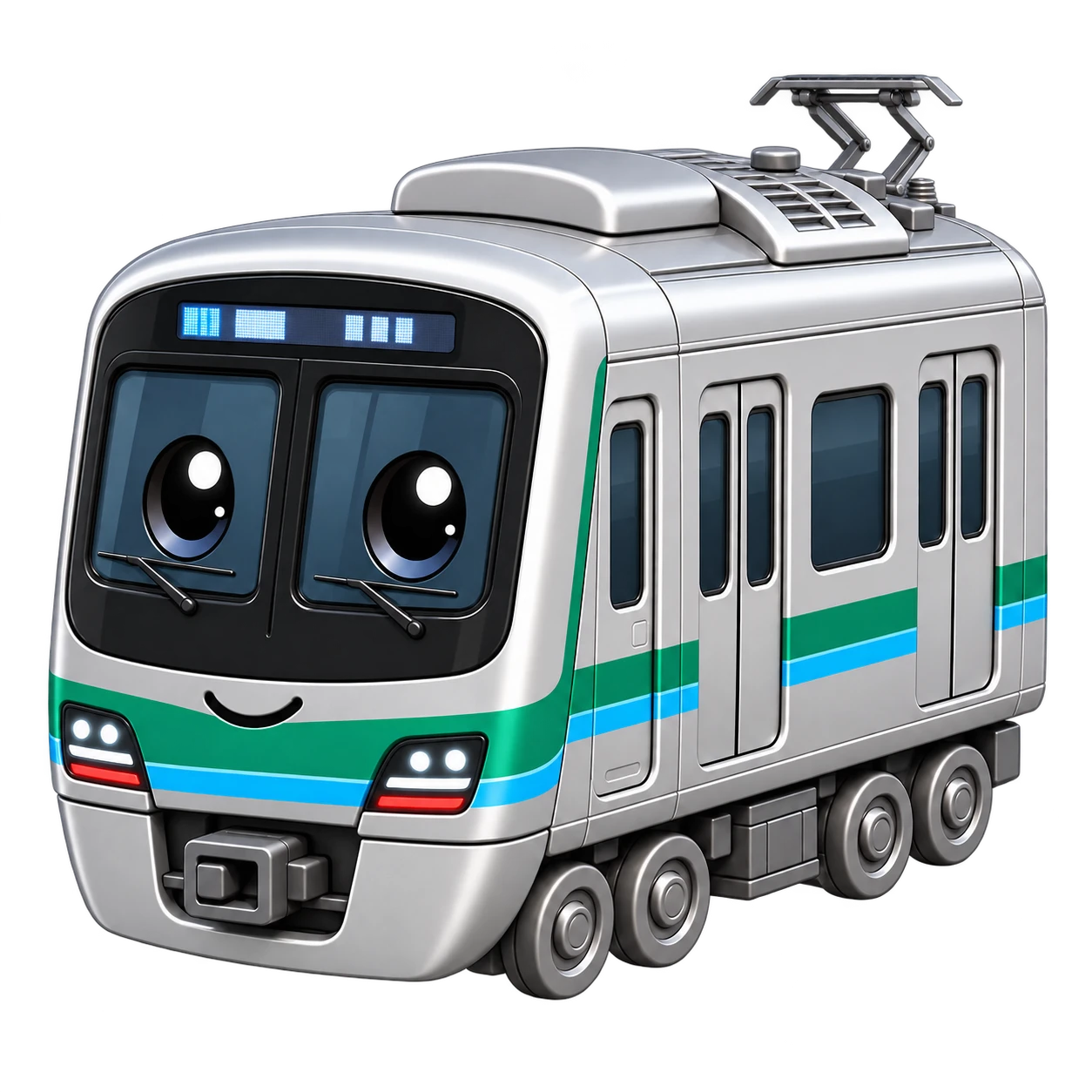
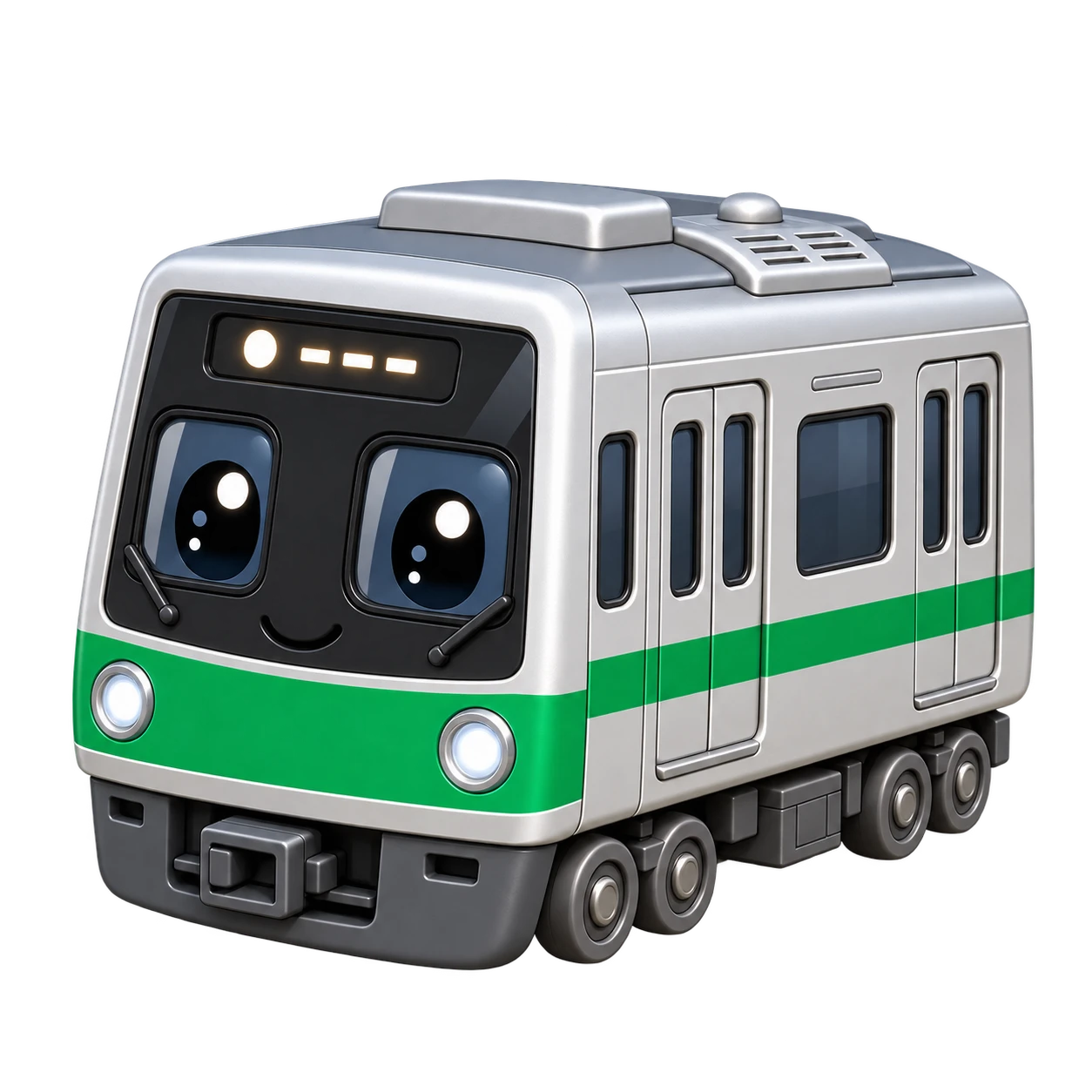
- C千代田線Chiyoda LineEmerald green, linking the leafy, book-lined streets around Yoyogi-Koen and Nezu, with through-service onto the Odakyu Line.
- Y有楽町線Yurakucho LineA low-key gold-bronze train running between Ikebukuro and Shin-Kiba, through-running with both the Tobu and Seibu private railways.
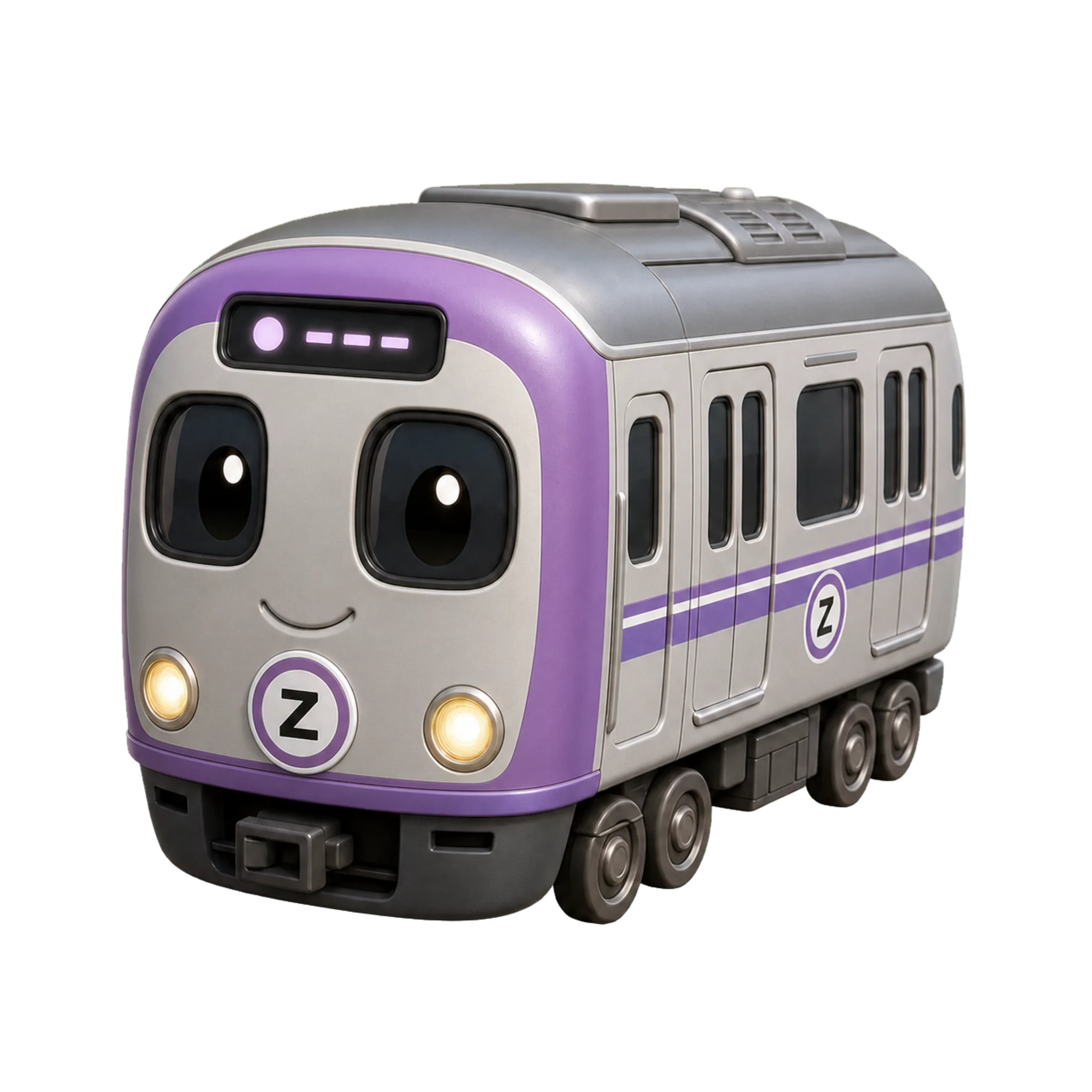
- Z半蔵門線Hanzomon LinePurple, named for the gate by the Imperial Palace — one of the shortest Metro lines, yet it through-runs onto both the Tokyu and Tobu networks.
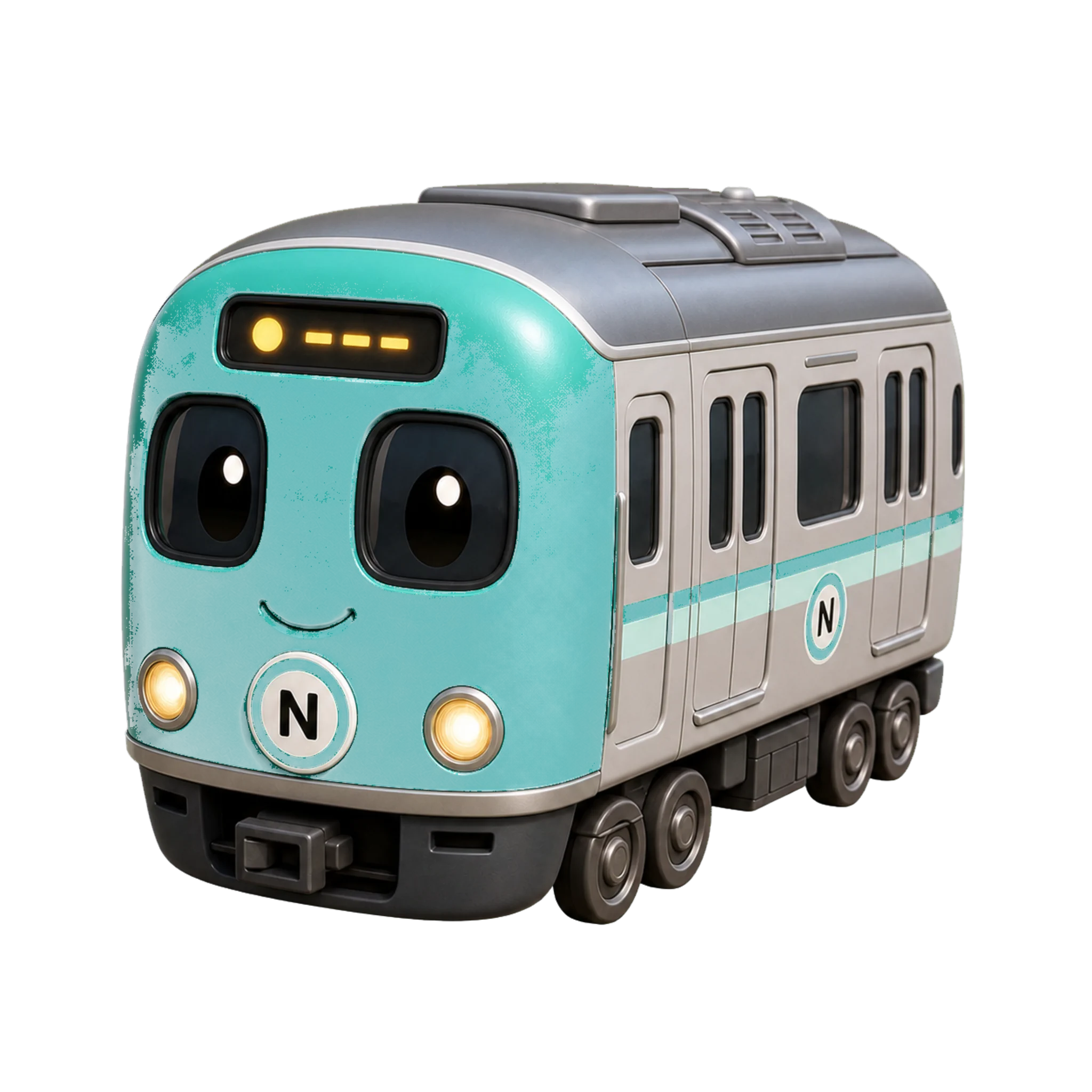
- N南北線Namboku LineTeal and quietly modern — among the first lines in Tokyo to fit full platform doors, running north-south across the city.
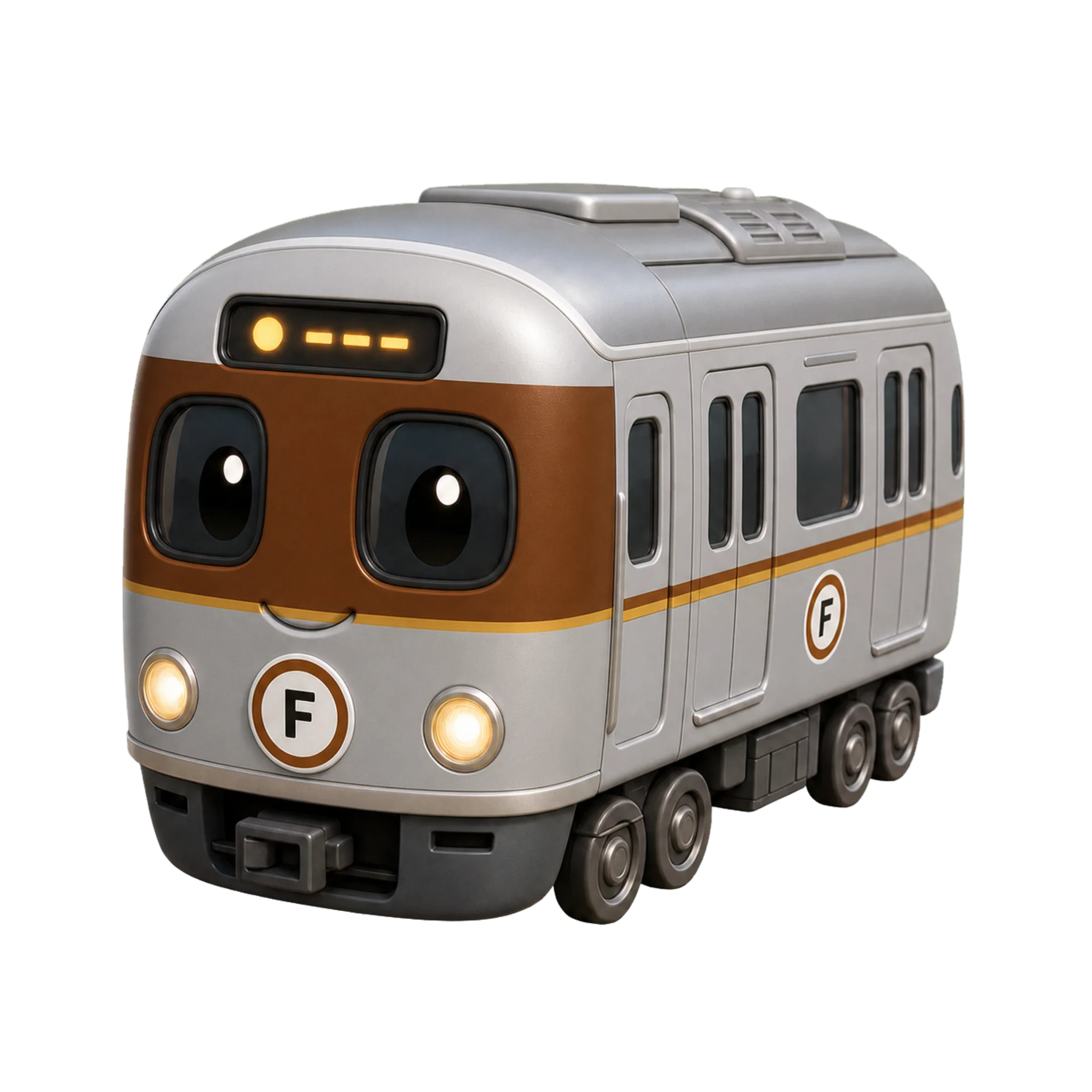
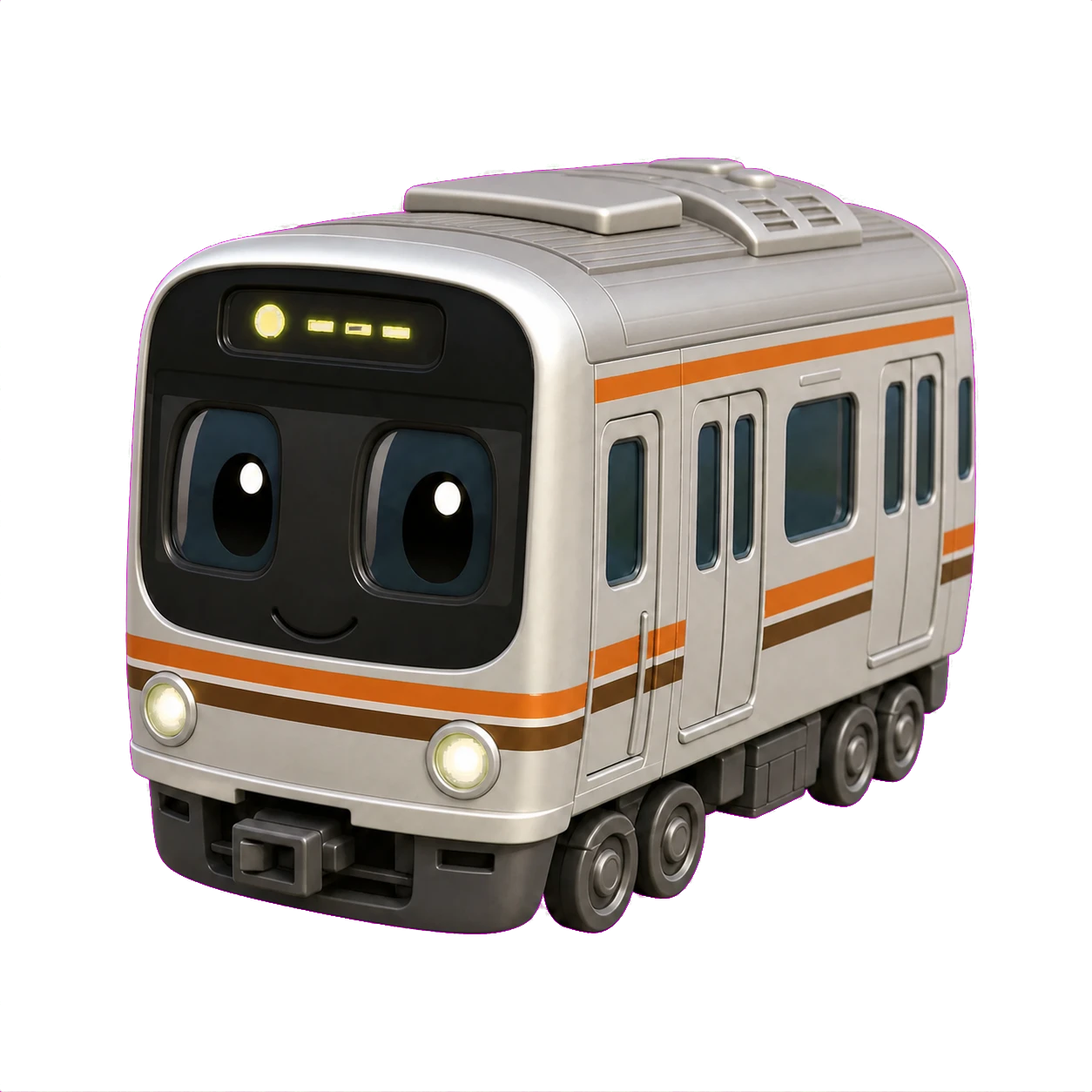
- F副都心線Fukutoshin LineDark brown and the youngest of the Tokyo Metro family (opened 2008), linking the twin 'sub-centers' of Shibuya and Ikebukuro.
Toei Subway
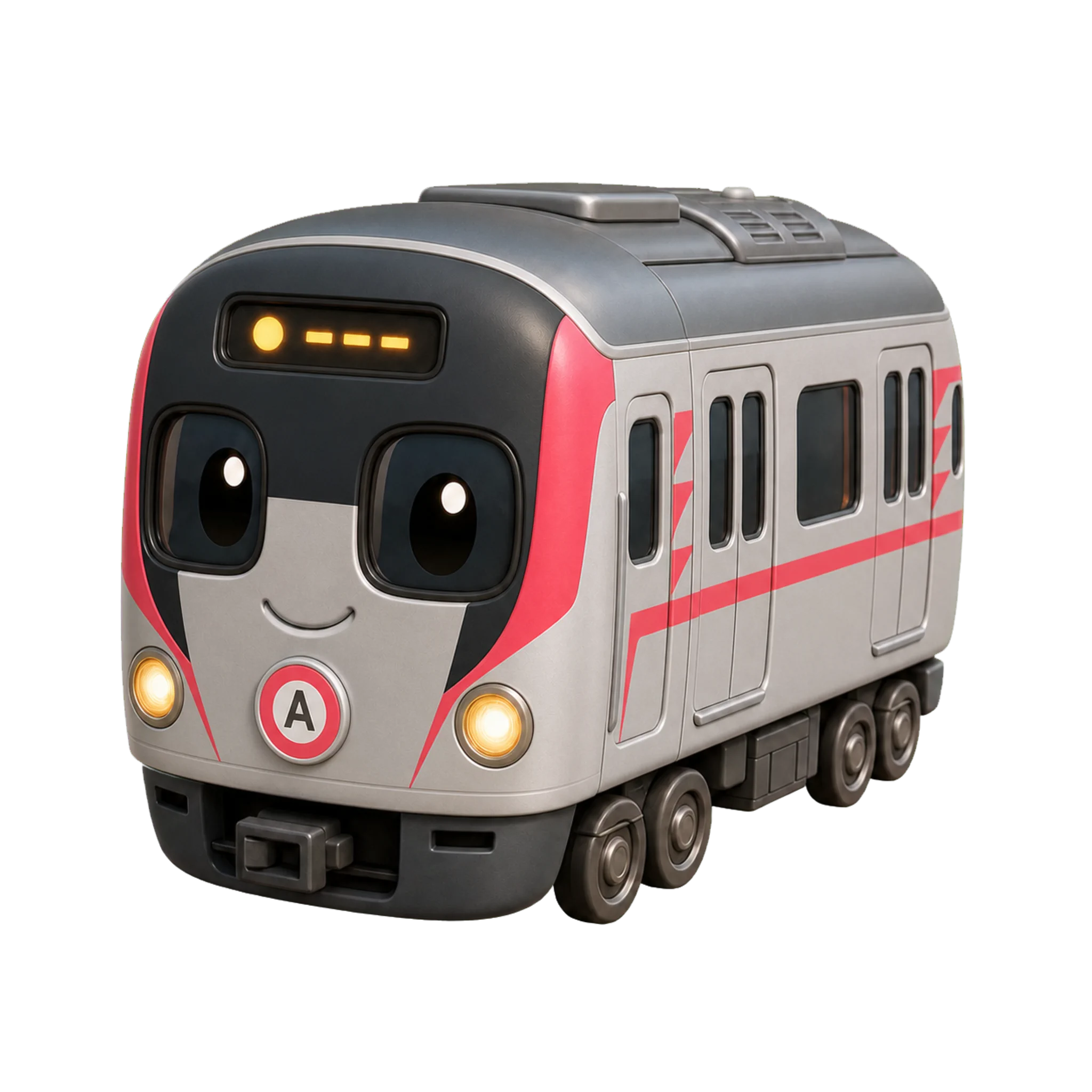
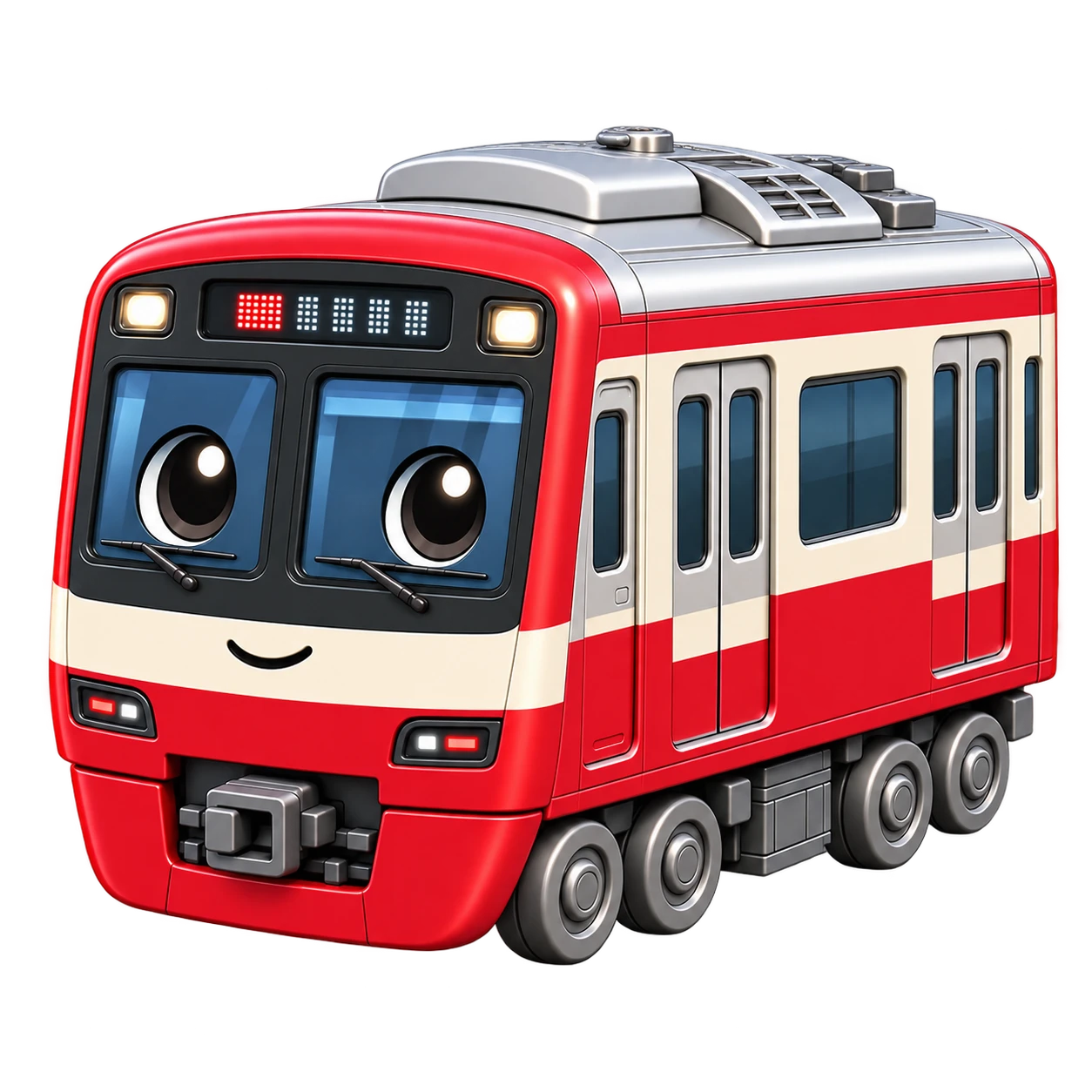
6 lines- A浅草線Asakusa LineToei's very first subway line — crimson red, linking Asakusa's Kaminarimon to Shinagawa with through-service onto the Keikyu and Keisei lines.
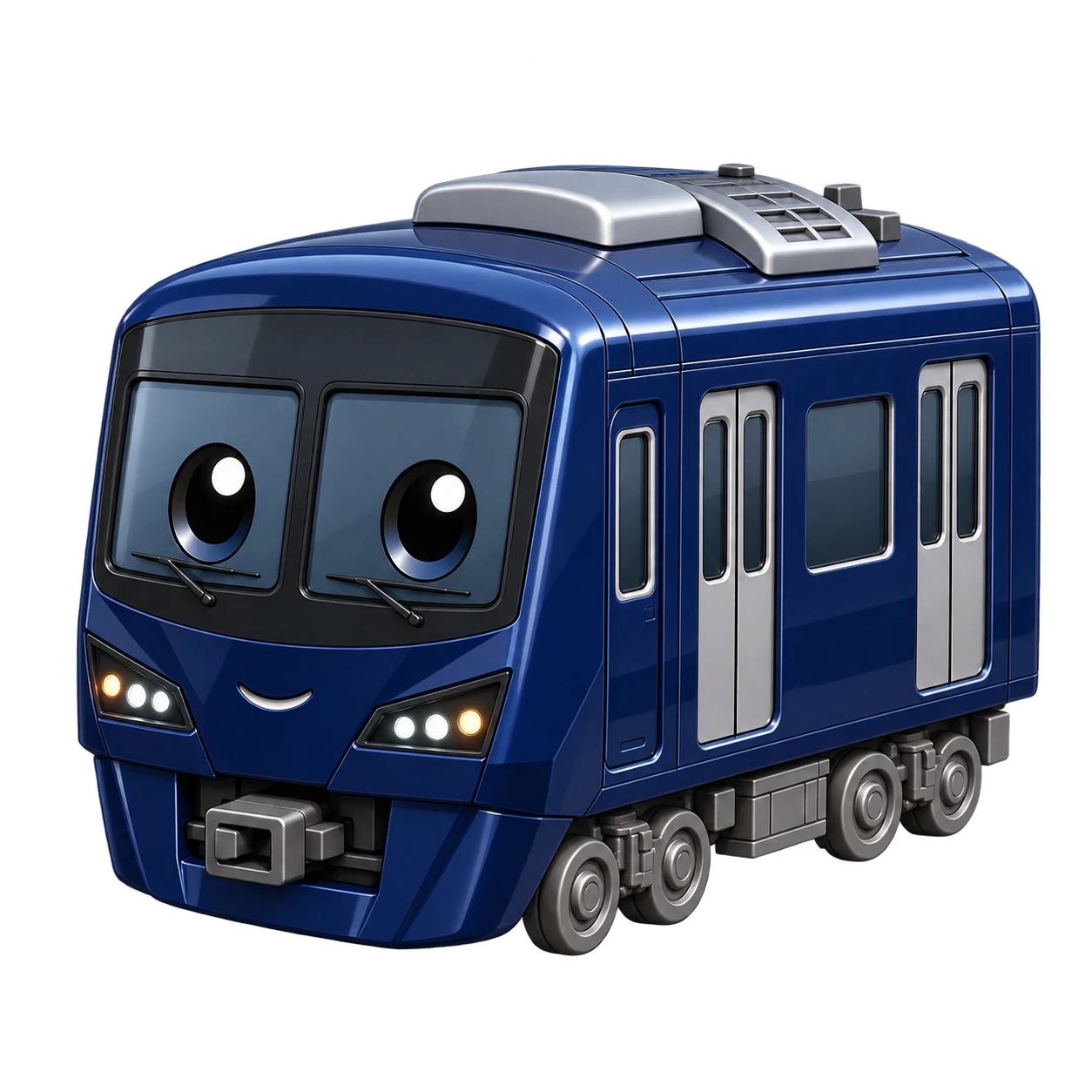
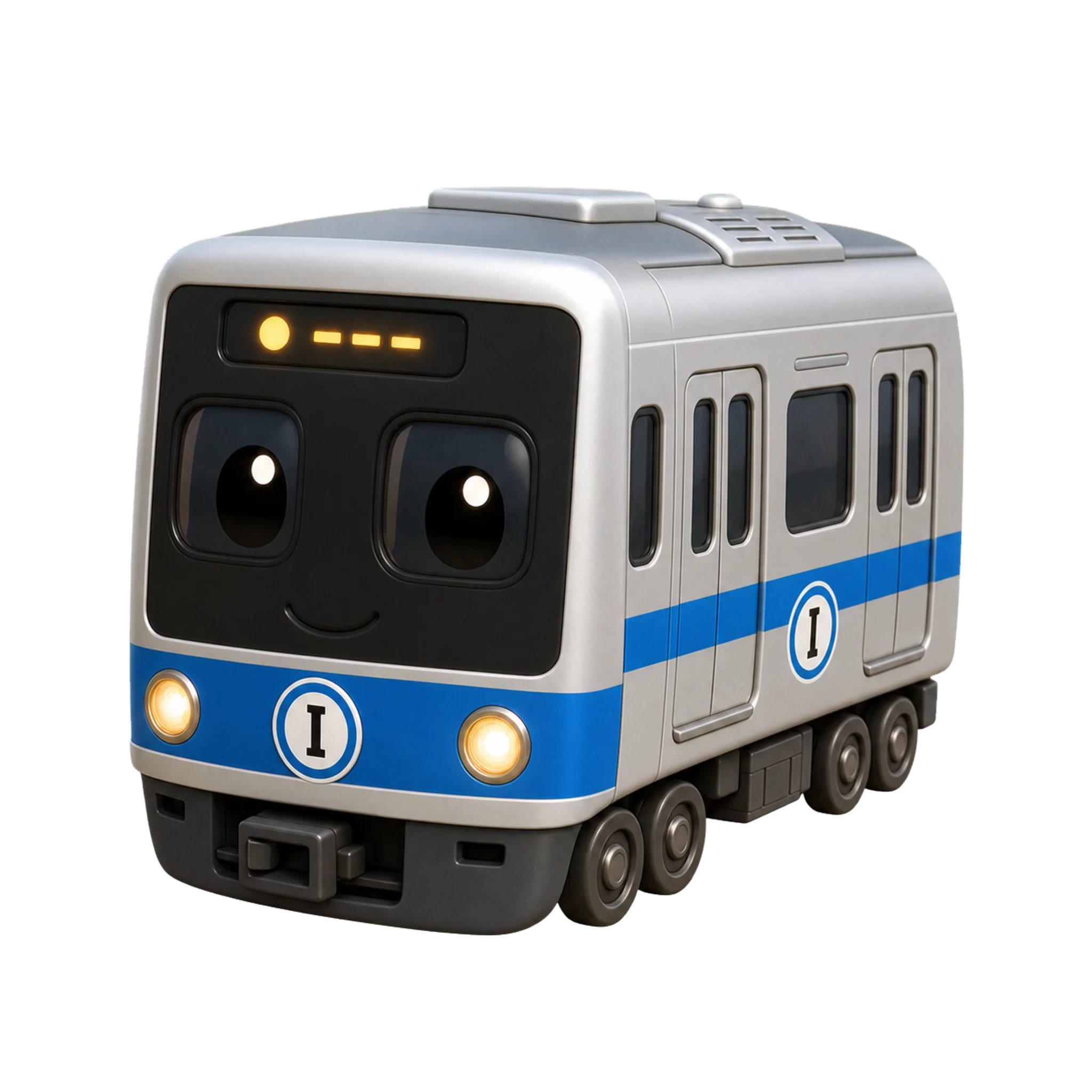
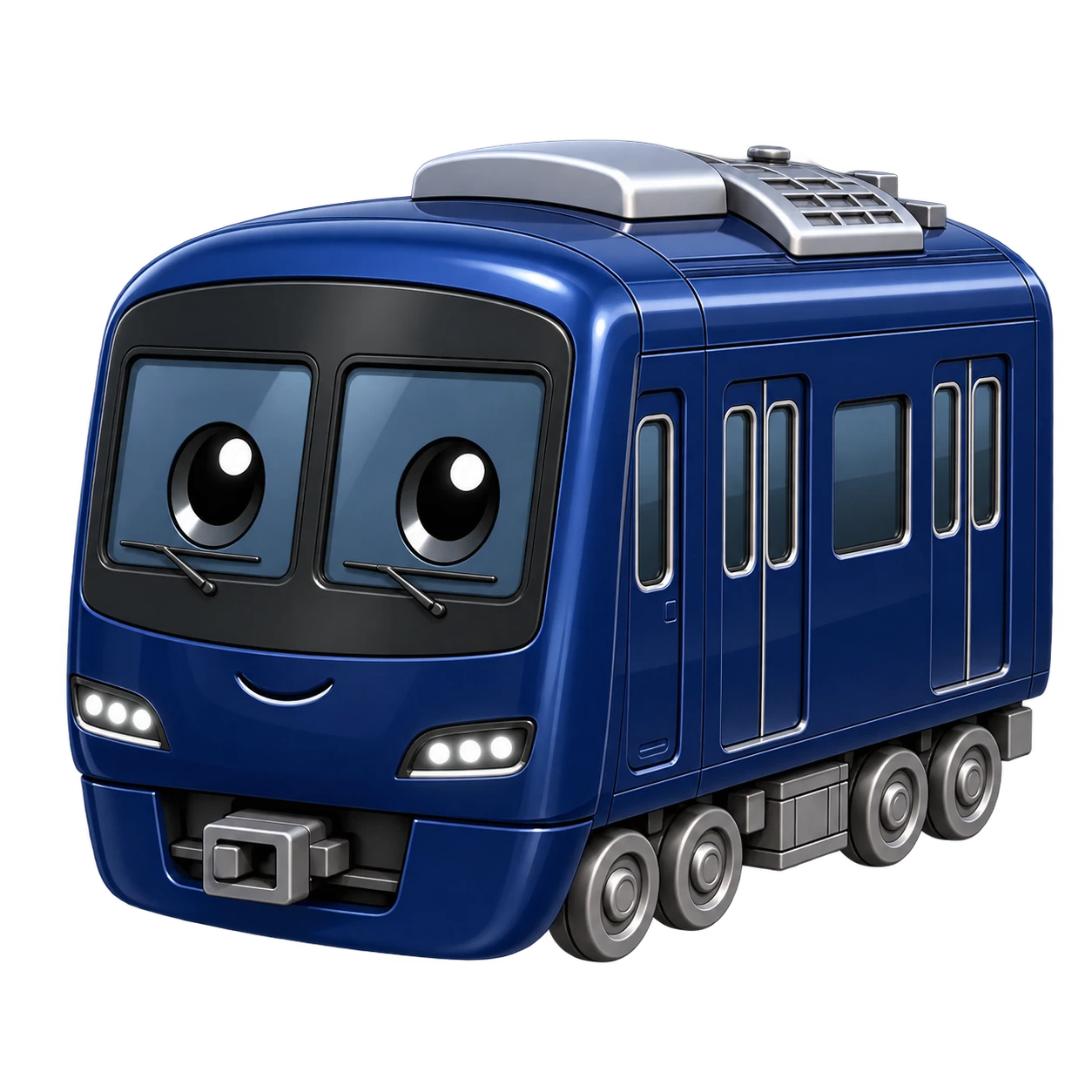
- I三田線Mita LineAn indigo-blue line quietly cutting between Shirokane-Takanawa and Sugamo — a favorite shortcut of Toei commuters in the know.
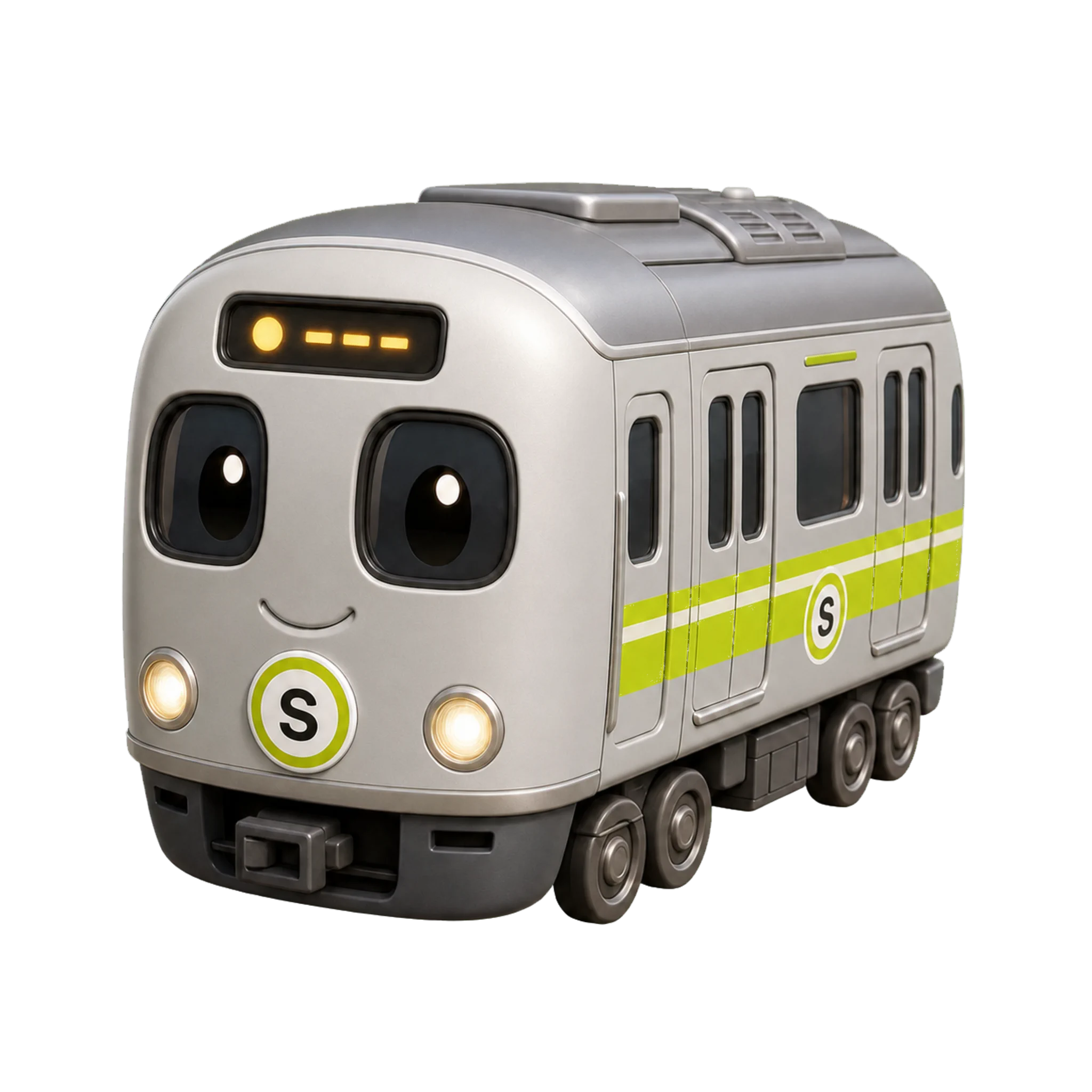
- S新宿線Shinjuku LineFresh green, and built to the same wider 1372mm gauge as the private railways, through-running onto the Keio Line.
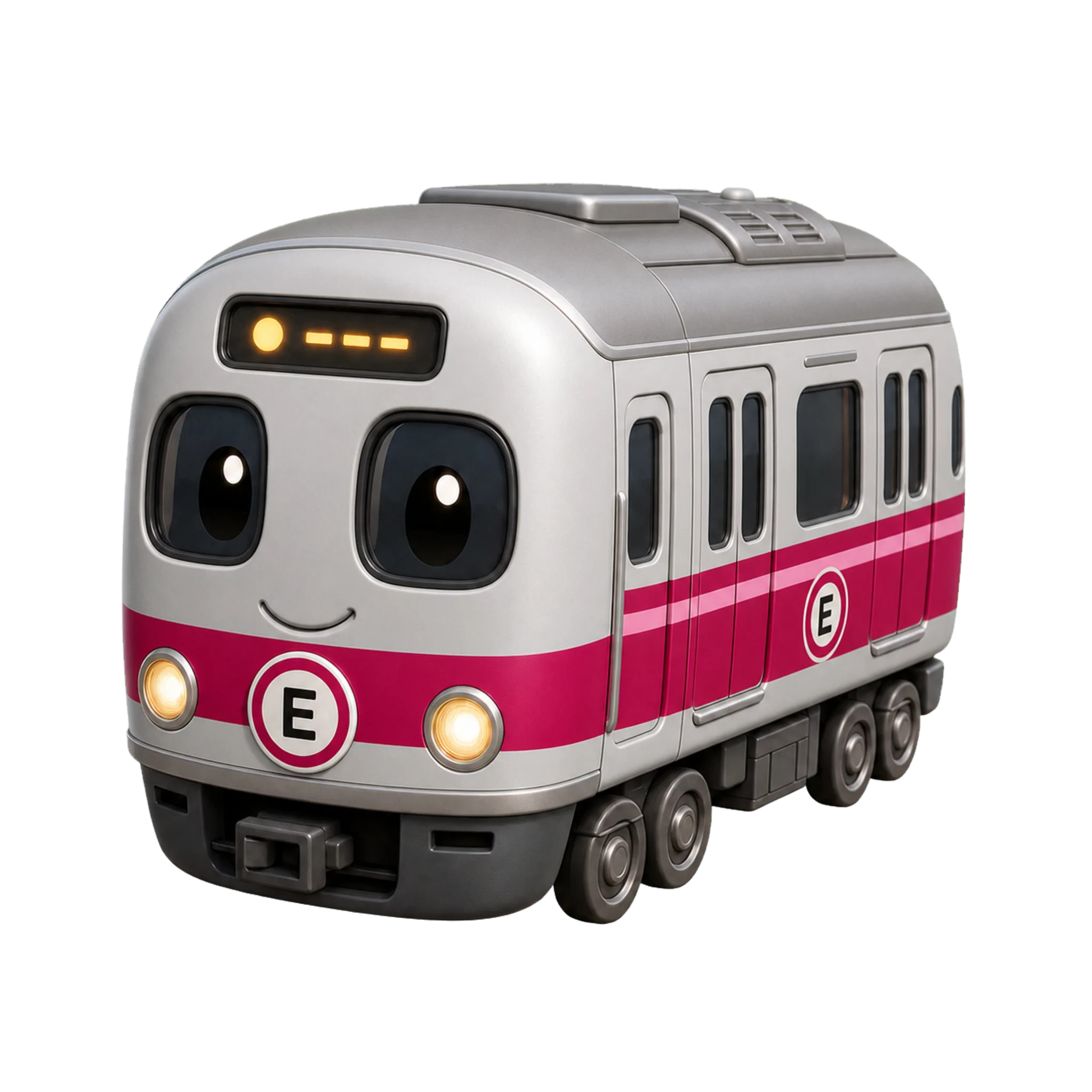
- E大江戸線Oedo LineMagenta, tracing a giant 'E'-shaped loop — Toei's longest line, and the deepest subway in all of Tokyo.
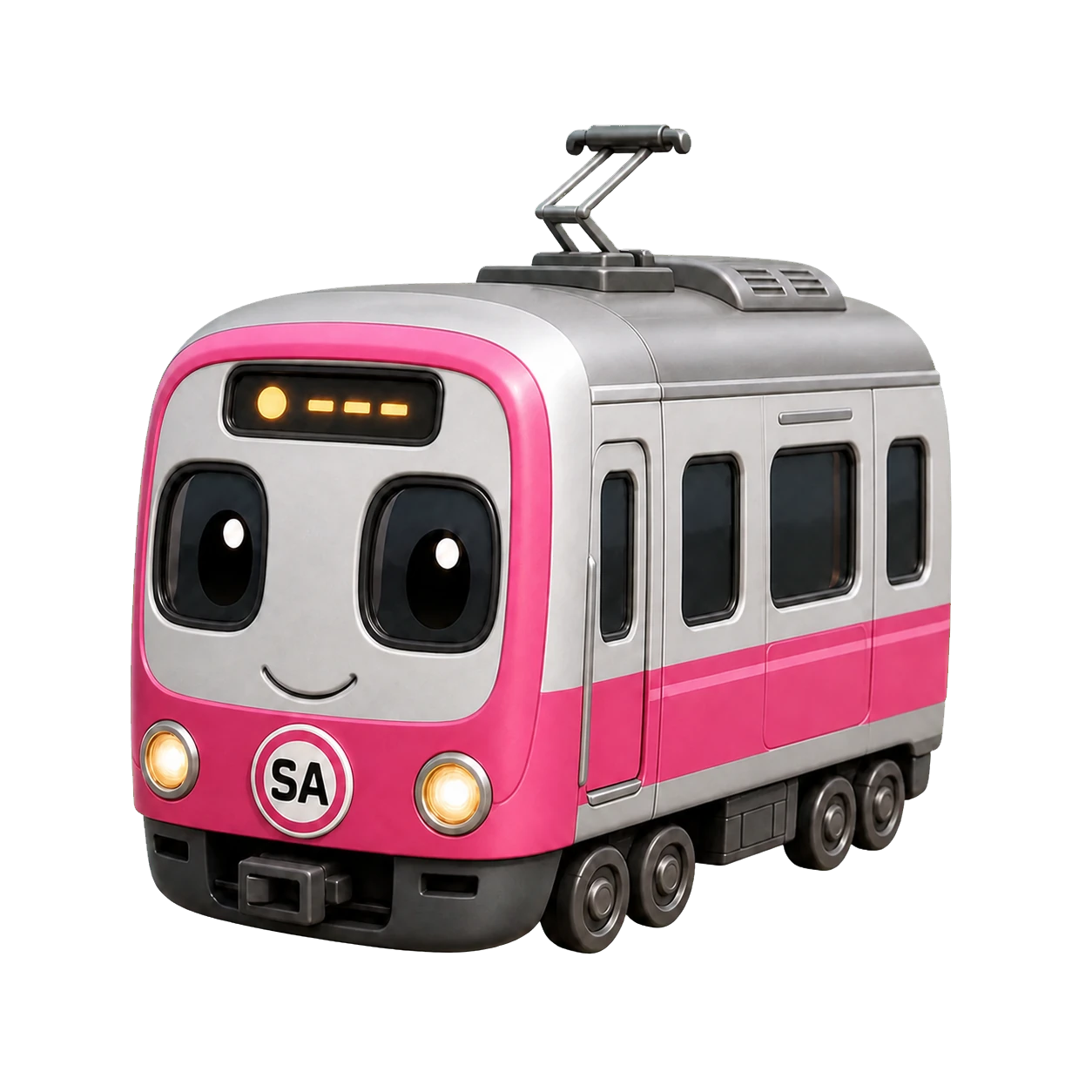
- SA東京さくらトラム(都電荒川線)Toei Arakawa Line (Sakura Tram)Tokyo's last surviving streetcar, rattling between Minowabashi and Waseda past back gardens and level crossings — 30 stops, most of them a single platform at the roadside.
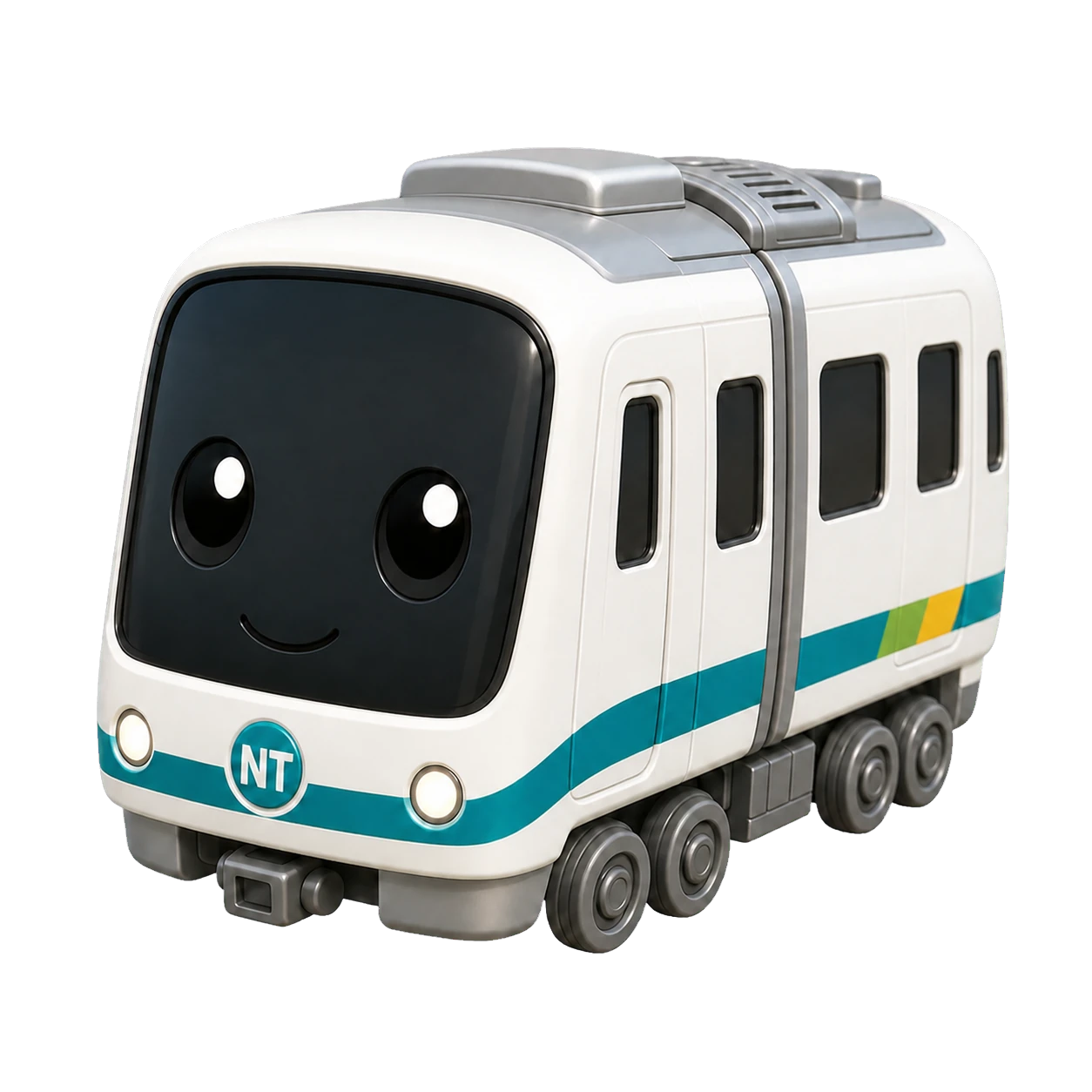
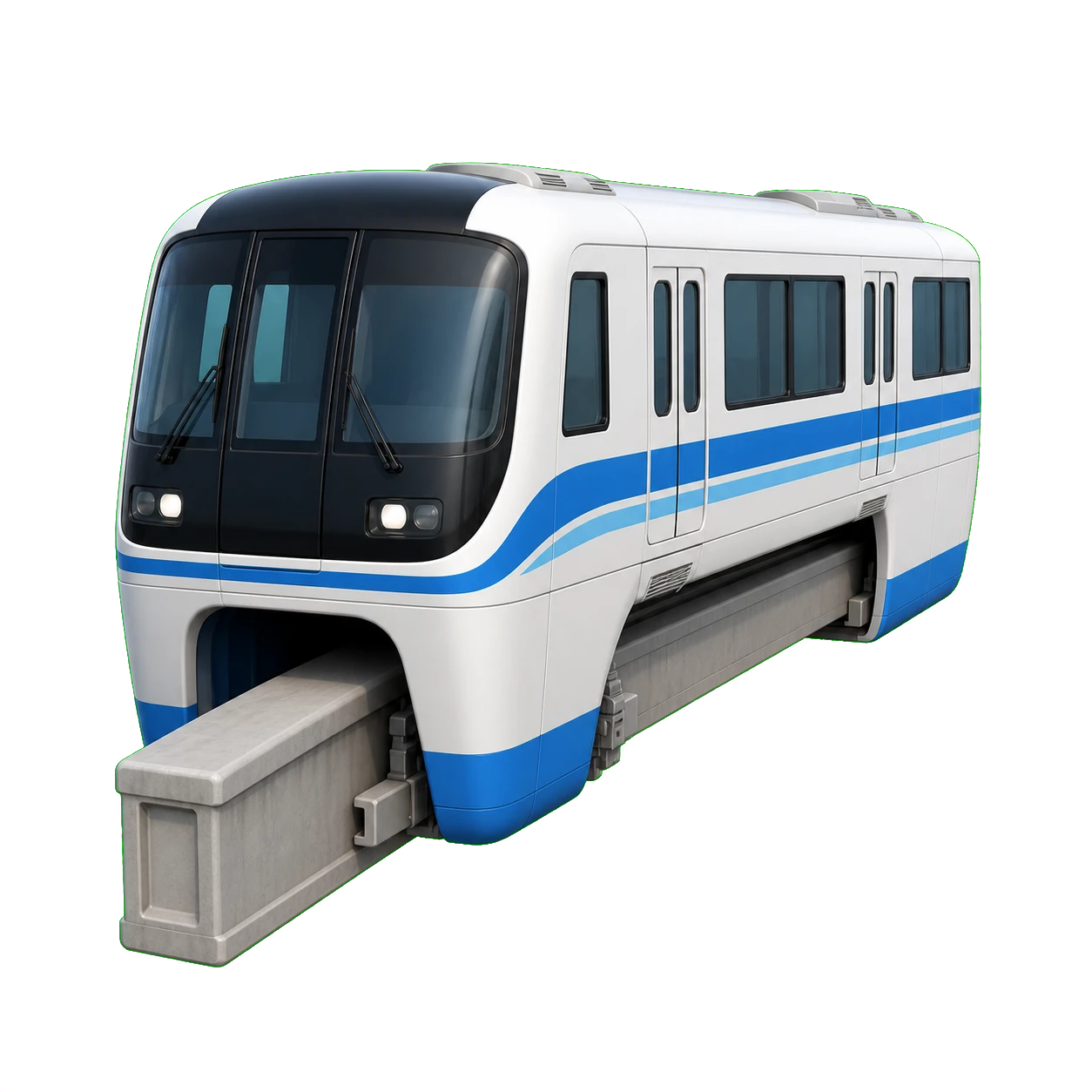
- NT日暮里・舎人ライナーNippori-Toneri LinerA driverless elevated shuttle threading north from Nippori to Minumadai-shinsuikoen — 13 stops, and the front window is the best seat on the line.
JR East
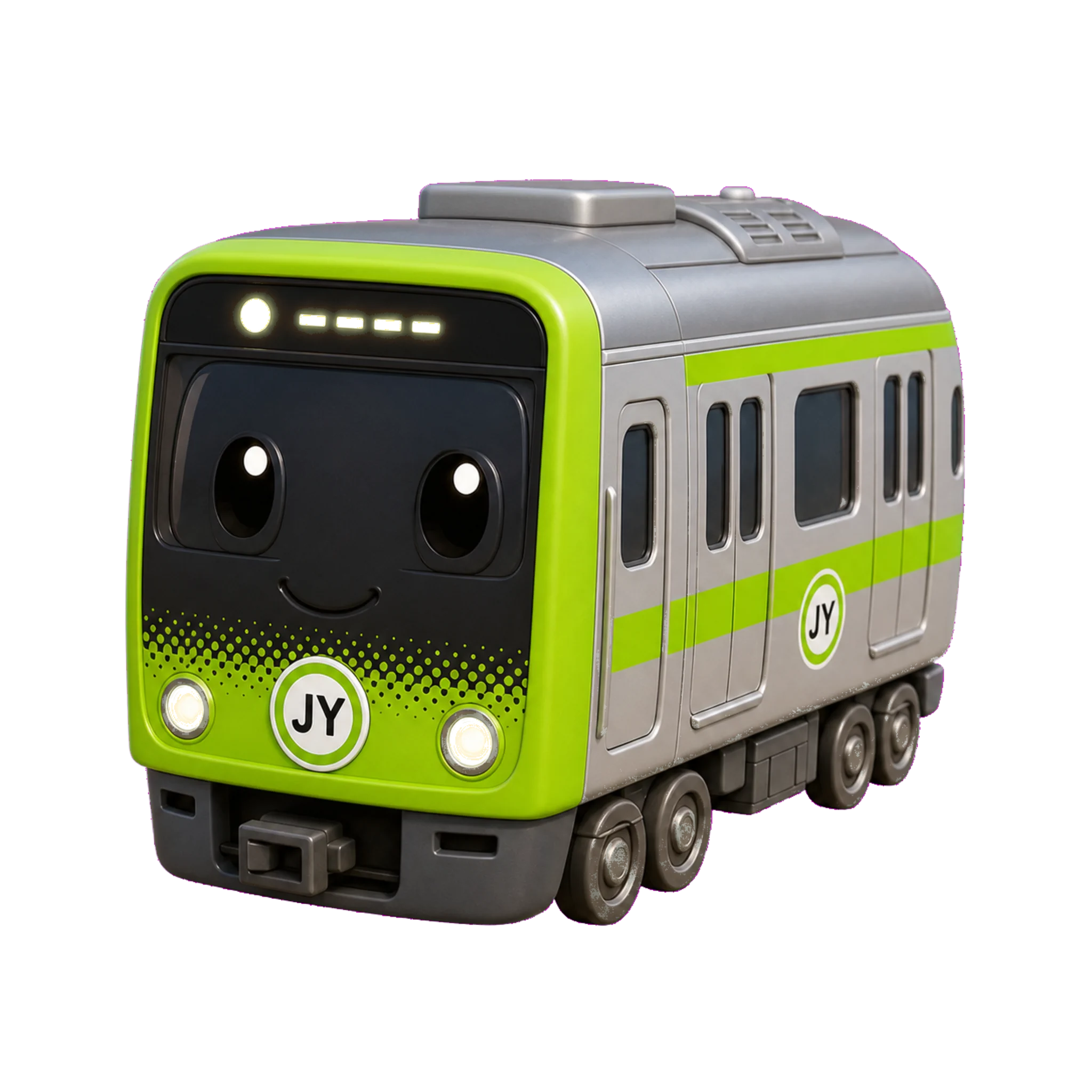
18 lines- JY山手線Yamanote LineThe neon-green flagship loop that circles central Tokyo around the clock — this game's poster train, and most players' very first ride.
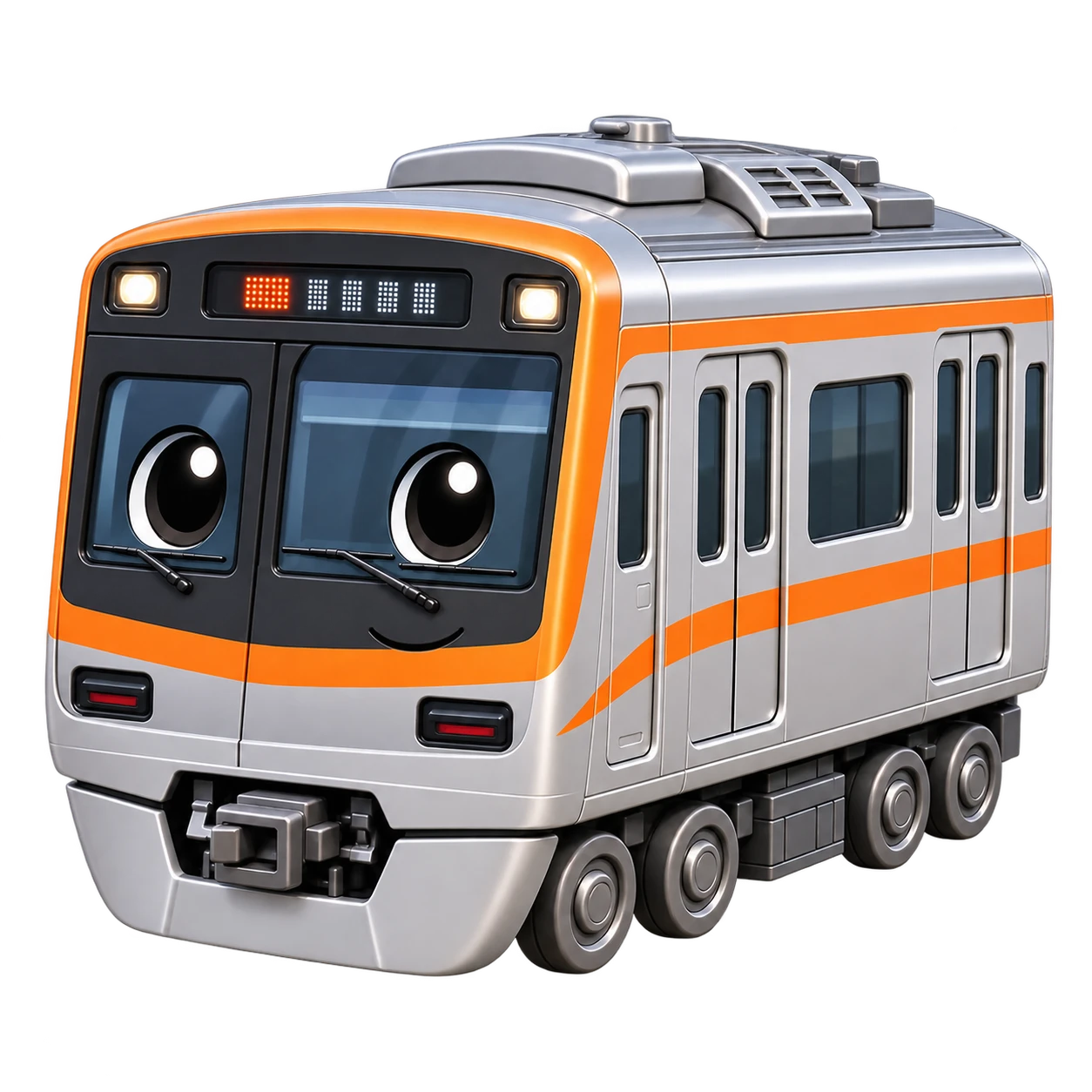
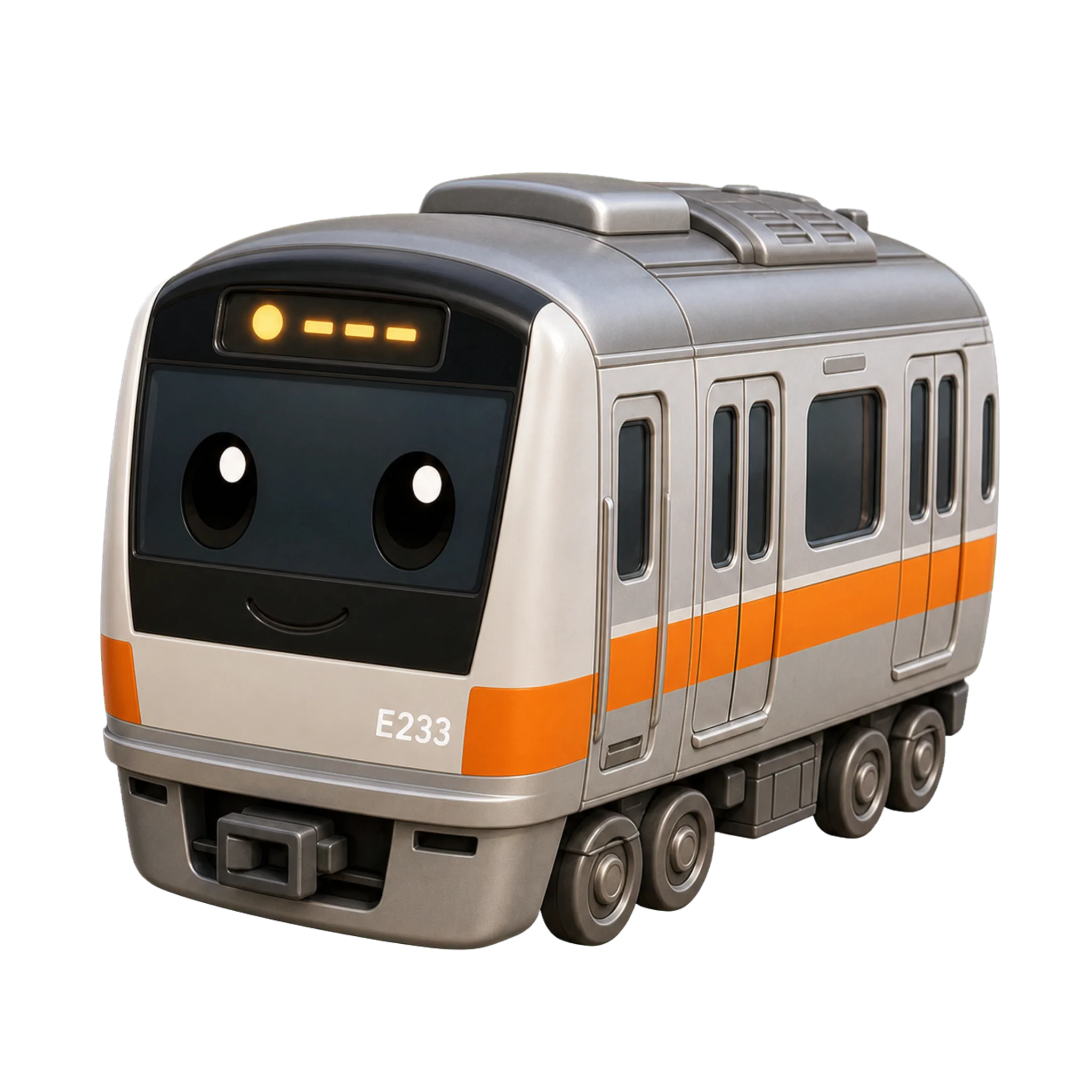
- JC中央線Chuo LineThe orange E233 rapid that races from Tokyo out to Tama and Hachioji — the Chuo Line's signature look.
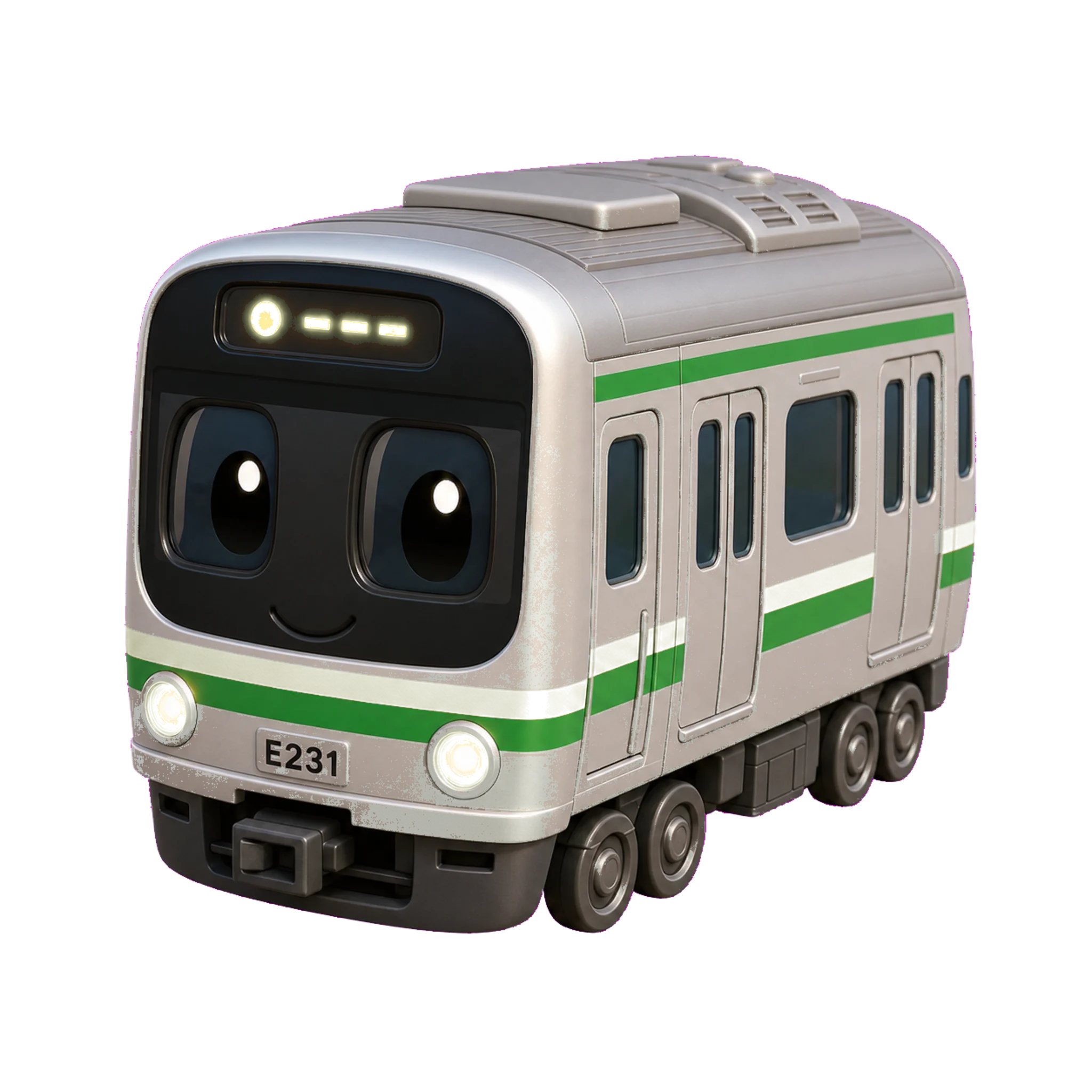
- JB中央・総武線各駅停車Chuo-Sobu Line (Local)The canary-yellow E231 local that ambles east-west, stitching the Chuo and Sobu lines together stop by stop.
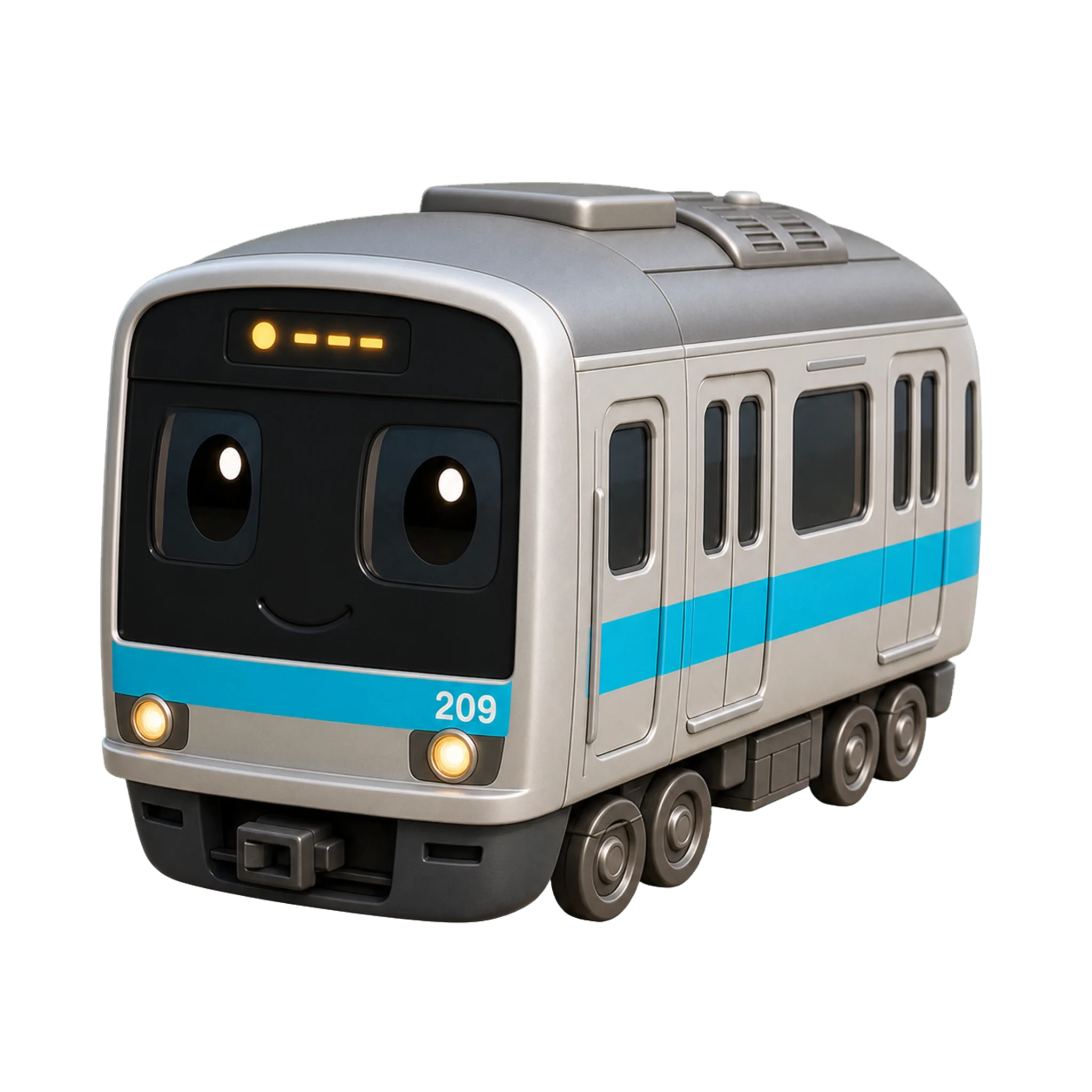
- JK京浜東北線Keihin-Tohoku LineThe classic sky-blue 209, running the full sweep from Omiya to Yokohama and splitting into rapids by day.
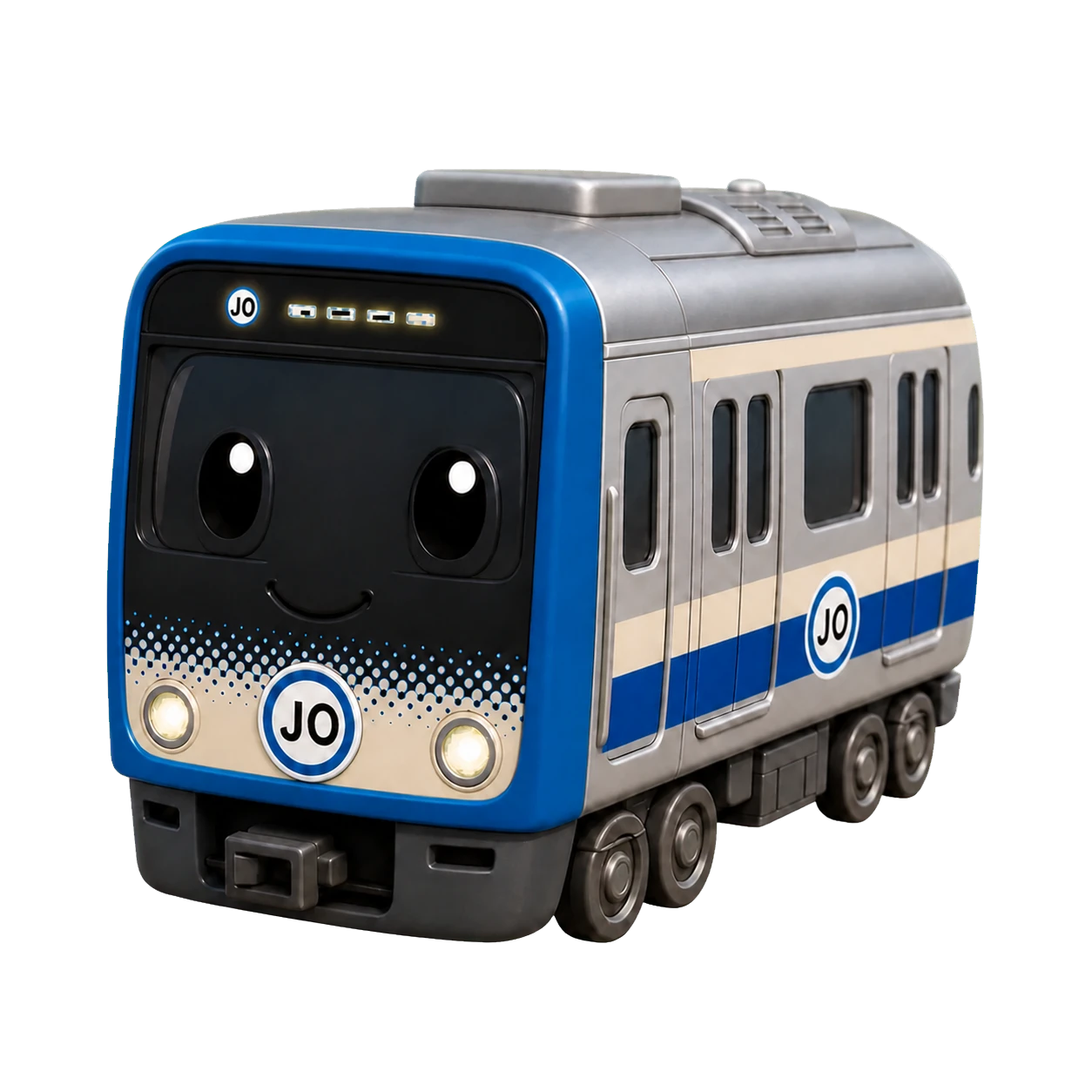
- JO総武快速・横須賀線Sobu (Rapid) / Yokosuka LineCream-and-navy Yokosuka livery, tunnelling under central Tokyo to link Chiba with Kamakura and Kurihama.
- JS湘南新宿ラインShonan-Shinjuku LineA north-south through service across the capital region, linking Omiya and Yokohama in one ride.
- JA埼京線Saikyo LineGreen 205 heritage, threading from Omiya straight through to the waterfront subcentre at Shin-Kiba.
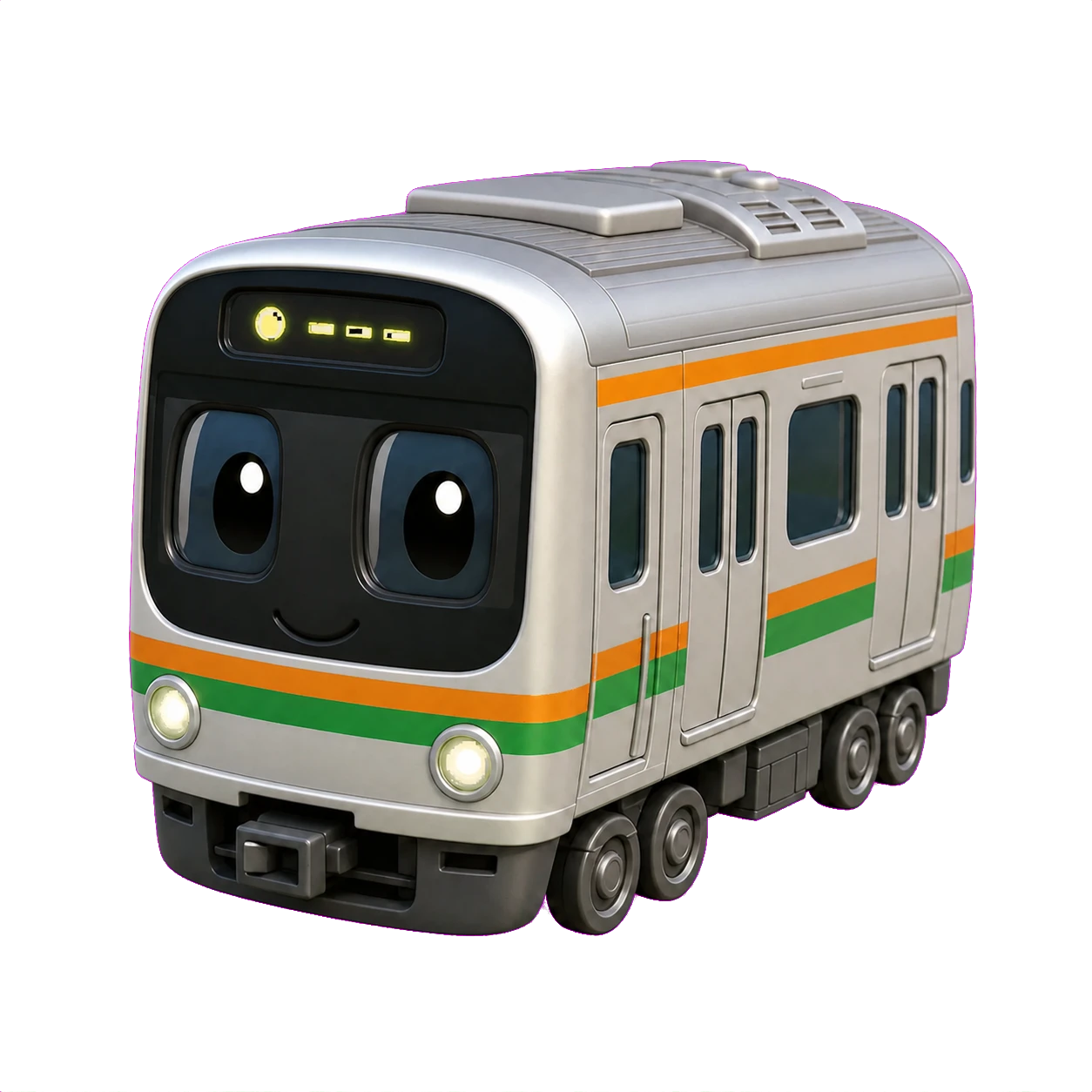
- JT東海道線Tokaido LineThe Tokaido main line in its orange-and-green Shonan colours, heading south from Tokyo Station into Kanagawa.
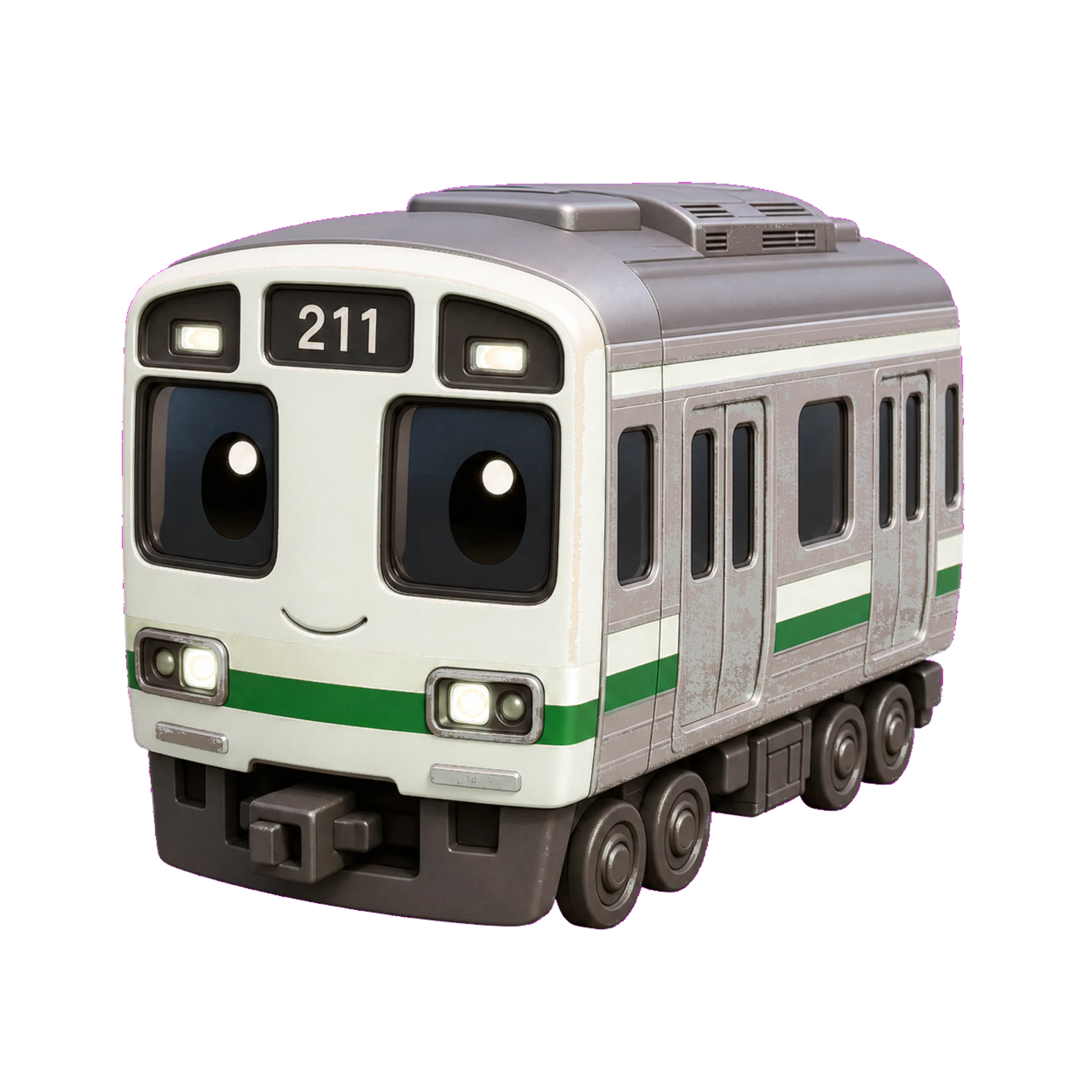
- JU宇都宮線Utsunomiya LineNorth Kanto's commuter artery, the Shonan-liveried 211 carrying the memory of the Ueno–Utsunomiya run.
- JU高崎線Takasaki LineA commuter express in Shonan orange-and-green, running clear through to Takasaki in Gunma.
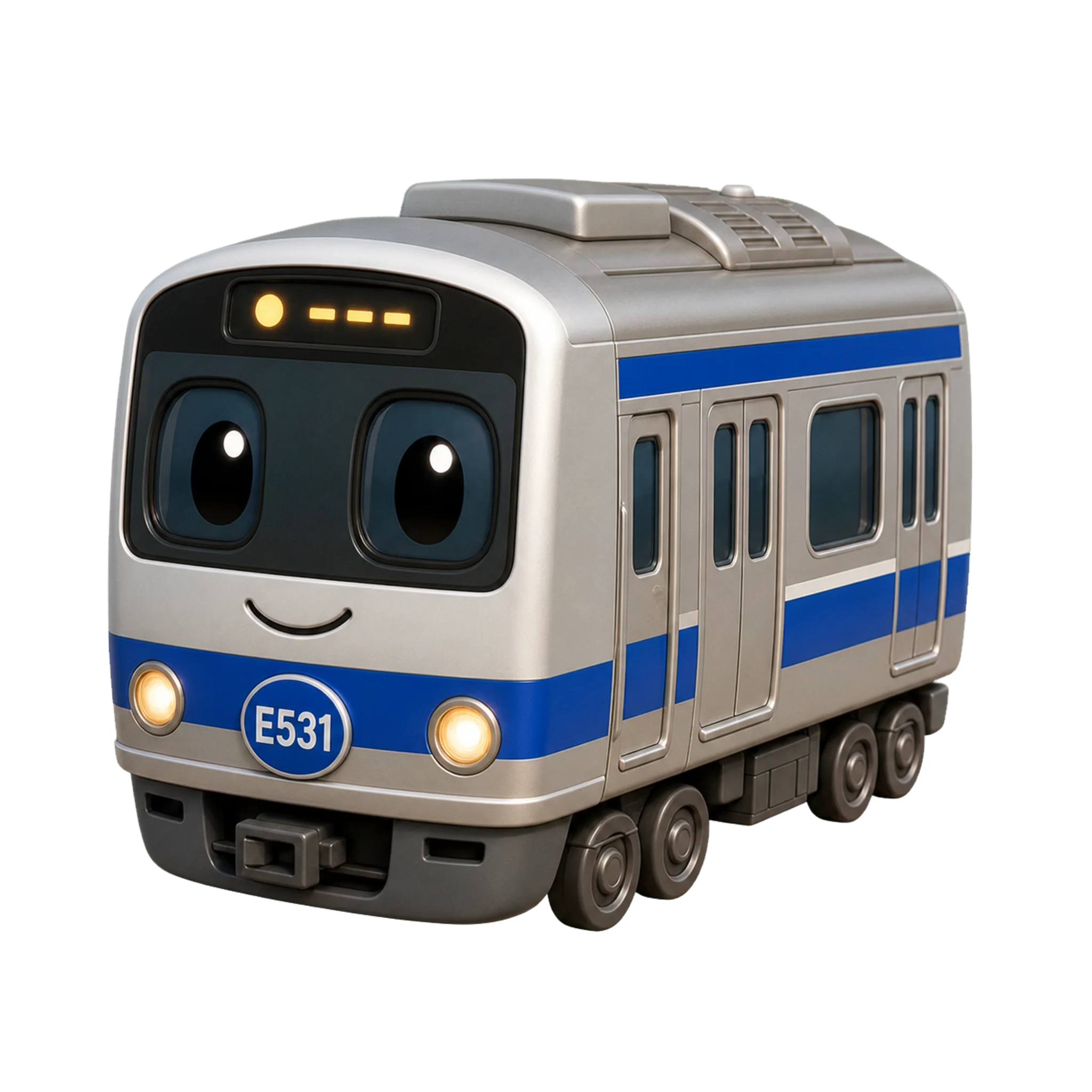
- JJ常磐線快速Joban Line (Rapid)The blue E531 rapid, tearing across the Kanto plain from Ueno and Shinagawa.
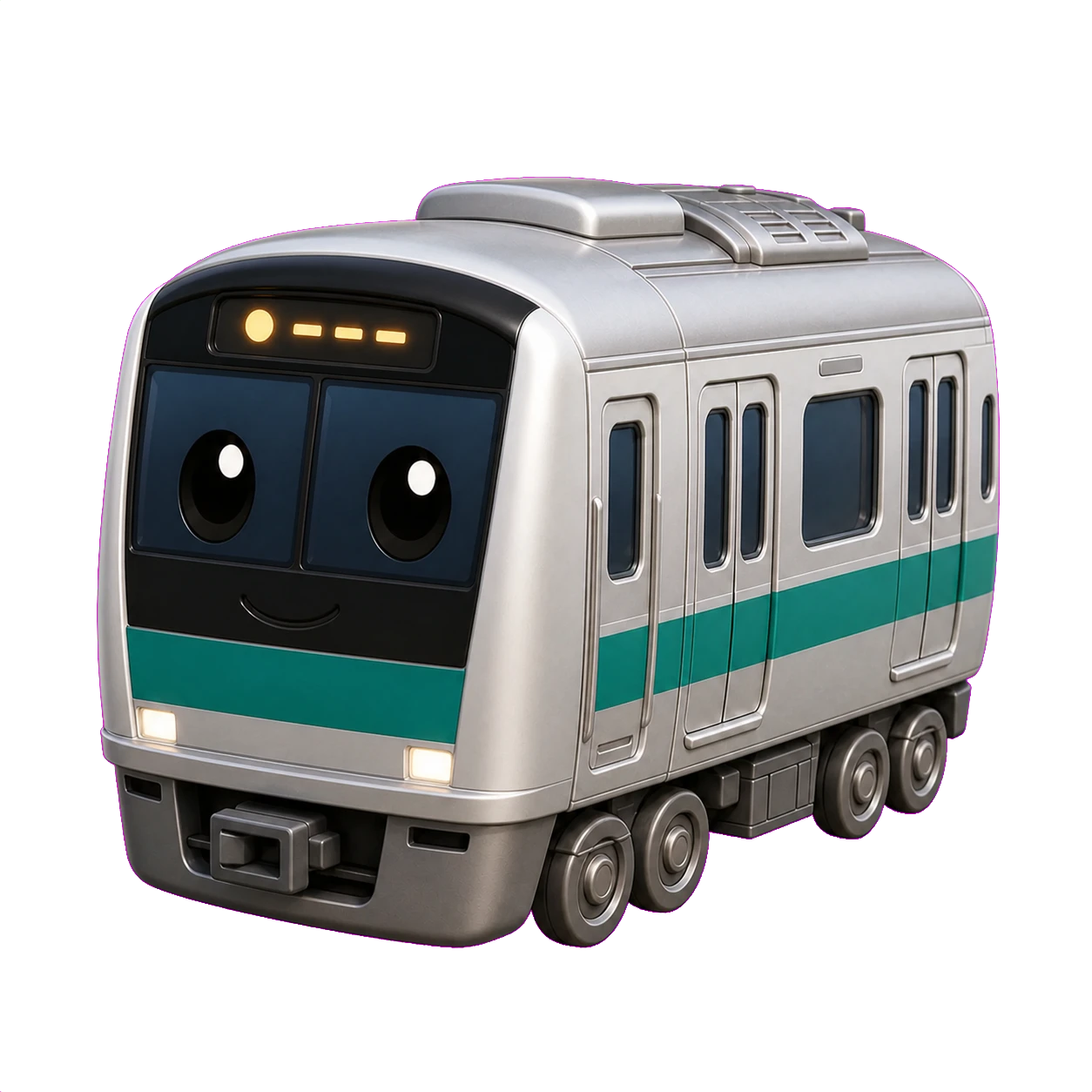
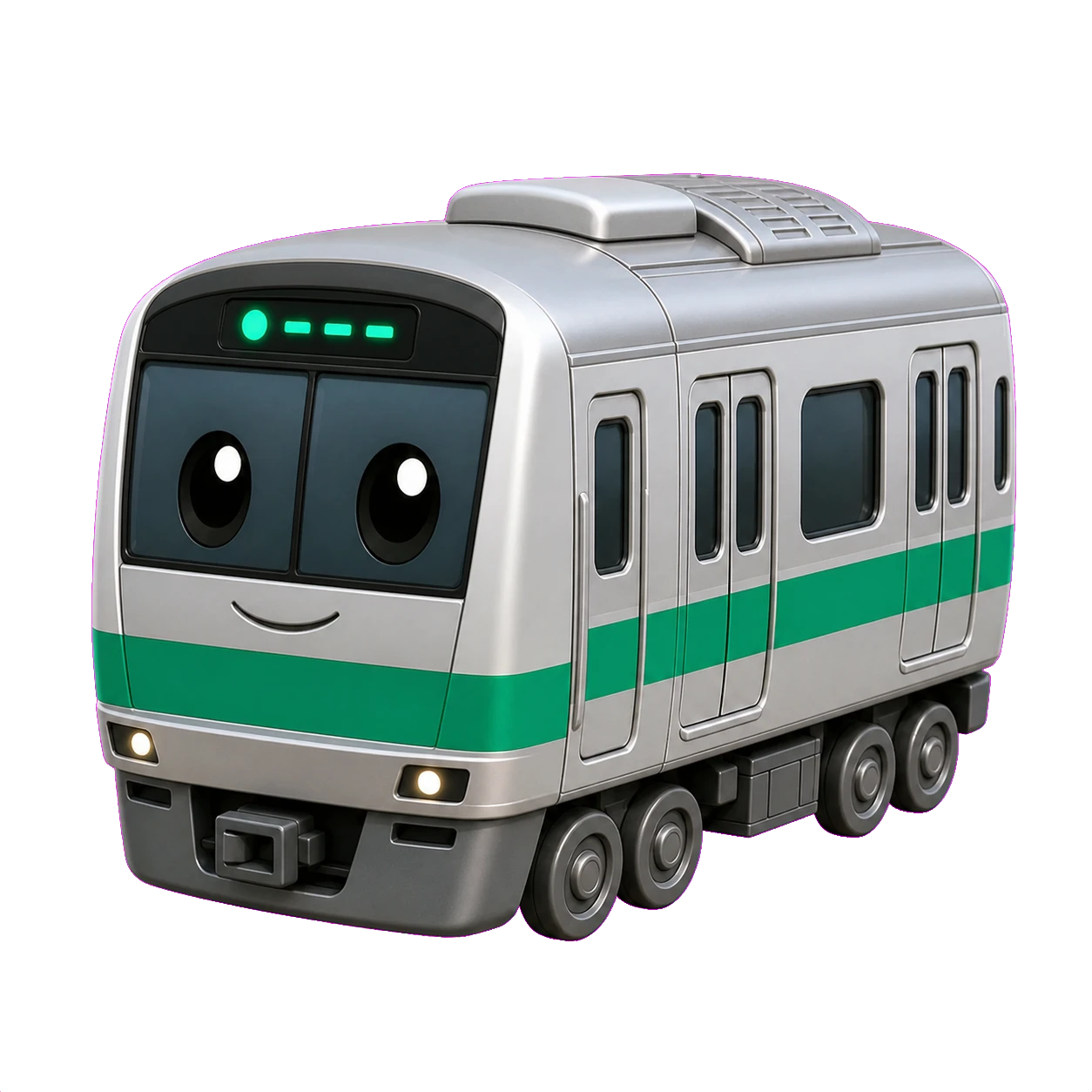
- JL常磐線各駅停車Joban Line (Local)The emerald E233 that through-runs onto the Chiyoda Line — the local face of the Joban corridor.
- JM武蔵野線Musashino LineThe half-loop hugging Tokyo's outer edge, crossing every radial trunk line it meets.
- JE京葉線Keiyo LineSpeeding along Tokyo Bay all the way to Maihama and the Tokyo Disney Resort.
- JN南武線Nambu LineThe Nambu Line along the Tama River, linking Kawasaki, Musashi-Kosugi and Tachikawa.
- JH横浜線Yokohama LineThe yellow-green Yokohama Line, winding through the inland hills between Hachioji and Yokohama.
- JC青梅線Ome LineAn extension of the Chuo Line, its orange trains following the Tama River deep into the Okutama hills.
- JC五日市線Itsukaichi LineThe Ome Line's little branch, running out to the leafy terminus at Musashi-Itsukaichi.
Osaka Metro
9 lines- M御堂筋線Midosuji LineOsaka's red arterial line, running under Midosuji boulevard through Umeda, Shinsaibashi and Namba — the city's busiest.
- T谷町線Tanimachi LinePurple and long: 26 stations from Dainichi to Yao-minami, threading temple districts and government offices.
- Y四つ橋線Yotsubashi LineThe blue relief line that shadows Midosuji a few blocks west, from Nishi-umeda down to Suminoe-koen.
- C中央線Chuo Line (Osaka)Green and arrow-straight across the city, from the waterfront at Cosmosquare out towards Ikoma via a Kintetsu through service.
- S千日前線Sennichimae LineHot pink and entirely underground, linking Noda-hanshin, Namba and Tsuruhashi in a brisk fourteen stops.
- K堺筋線Sakaisuji LineBrown livery running north–south beneath Sakaisuji, with through trains onto the Hankyu Kyoto Line.
- N長堀鶴見緑地線Nagahori Tsurumi-ryokuchi LineA lime-green linear-motor mini subway built for the 1990 Flower Expo, with a famously small tunnel bore.
- I今里筋線Imazatosuji LineOrange and the youngest of the family (2006), quietly serving Osaka's north-east from Itakano to Imazato.
- P南港ポートタウン線Nanko Port Town LineThe driverless rubber-tyred New Tram, gliding past container terminals and sea breeze in Osaka's Nanko port.
JR West
10 lines- O大阪環状線Osaka Loop LineOsaka's red loop — nineteen stations once around the city centre, Kansai's answer to the Yamanote.
- P桜島線Sakurajima LineThe four-stop Sakurajima Line, nicknamed the Yumesaki Line — the shuttle to Universal Studios Japan.
- AJR京都線・JR神戸線JR Kyoto Line / JR Kobe LineThe Tokaido main line under two nicknames, stringing Kyoto, Osaka and Kobe together for the famous Special Rapid.
- HJR東西線JR Tozai LineA pink cross-town tunnel under central Osaka, joining Kyobashi to Amagasaki in nine stops.
- H片町線Katamachi LineThe Katamachi Line, better known as the Gakkentoshi Line, running from Kyobashi out to Kizu.
- Fおおさか東線Osaka Higashi LineA freight bypass reborn as a passenger line (fully opened 2019), curving down Osaka's eastern edge to Kyuhoji.
- Q大和路線Yamatoji LineGreen trains on the Kansai main line, the quickest run from Osaka to the old capital at Nara.
- R阪和線Hanwa LineOrange and long — 35 stations from Tennoji down to Wakayama, and the way out to Kansai Airport.
- S関西空港線Kansai Airport LineJust three stops, but they cross the Sky Gate Bridge to the artificial island of Kansai International Airport.
- SK東海道・山陽新幹線Tokaido / Sanyo ShinkansenThe Tokaido/Sanyo Shinkansen: Tokyo to Hakata, Japan's original bullet-train spine.